A Mother’s Insights on Bullying and How to Build Resilience in Children
As a mother, my heart is always with my children, guiding, nurturing, and hoping to impart wisdom that serves not just as lessons but as beacons of light in their journeys. Today, I find myself mulling over a subject that is as old as time yet freshly poignant each day: bullying. This reflection isn’t intended to be an exhaustive manual on the topic but rather a heartfelt conversation from a mom navigating the complex terrain of raising confident, resilient children.
Understanding the Roots of Bullying
In my life, as in the stories of many, bullying often seems to root itself in jealousy. My children, you shine brightly. You’re not afraid to own your spaces, to assert your strength, and to radiate kindness and charm. Yet, it’s this very light within you that might draw unwelcome shadows.
Bullying, I’ve observed, comes in various shapes and forms, but the intent is often the same—to dim that inner light that makes others feel less brilliant in contrast. But here’s something I’ve come to realize: the issue lies not within you but within the insecurities of those who choose to bully.
Bullying can have many different causes and dynamics, so I don’t think every situation can be explained by jealousy or insecurity alone. StopBullying.gov defines bullying as unwanted aggressive behavior involving a real or perceived power imbalance that is repeated, or has the potential to be repeated. It can include verbal attacks, physical behavior, rumors, threats, and intentional social exclusion.
The American Academy of Pediatrics also notes that children may bully for many reasons, including a desire for power or control, anxiety, anger, social pressure, isolation, learned behavior, or their own experiences of being bullied.
Navigating the Challenge of Bullying
So, how do we deal with bullies? The first step, believe it or not, is to keep shining. Embrace your essence, live your truth, and remember, your worth is not defined by the opinions of those who seek to bring you down. I encourage you to channel your frustrations not into despair but into a fierce determination to rise above.
Your grandmother once told me, “You can move 50 miles from home and become anyone you wish to be.” This advice echoes the sentiment that change, movement, and growth are not only possible but sometimes necessary. Our family has embraced this philosophy, living vibrantly within our community while maintaining the privacy and freedom to be our true selves.
I’ve intentionally kept you out of traditional school systems in hopes of nurturing this comfort and confidence at home, in our beloved town. Remember, home is not a place but a feeling—rooted in the love and bonds we share as a family.
Homeschooling doesn’t make children immune to difficult peer relationships, which is why we also try to be intentional about the relationships surrounding Claire and Peter. I’ve shared more about that approach in our thoughts on protecting children’s emotional health from unhealthy peer dynamics.
A Personal Reflection on Overcoming Bullies
My journey with bullies wasn’t simple or painless. There were days shadowed by exclusion and heartache, perpetuated by both boys and girls in my youth. But through these trials, I found solitude and strength in solo adventures and the unwavering support of a few close friends. College and life beyond offered new horizons, including the joy of meeting your father and discovering the power of a life lived authentically, for us and eventually, for you.
Life’s path took me from needing support to fiercely carving my own way, a trait deeply ingrained in our family’s ethos. Work became not just a necessity but a passion, a means to rise, to grow, and to eventually offer a hand up—even to those who once sought to bring me down. Forgiveness, I learned, is a powerful form of healing, not just for the forgiven but for the forgiver.
Some of those bullies have, over time, reached out in various capacities—some seeking employment, others investment. Each interaction, devoid of apologies yet rich in silent acknowledgments of past wrongs, has reaffirmed my belief in the power of resilience and the human capacity to grow and change.
To My Children: A Beacon of Hope
To my beloved children, know that bullying is but a storm cloud on a sunny horizon. You are made for greatness, for light, for love. You have within you the strength to face challenges with grace and to emerge stronger on the other side.
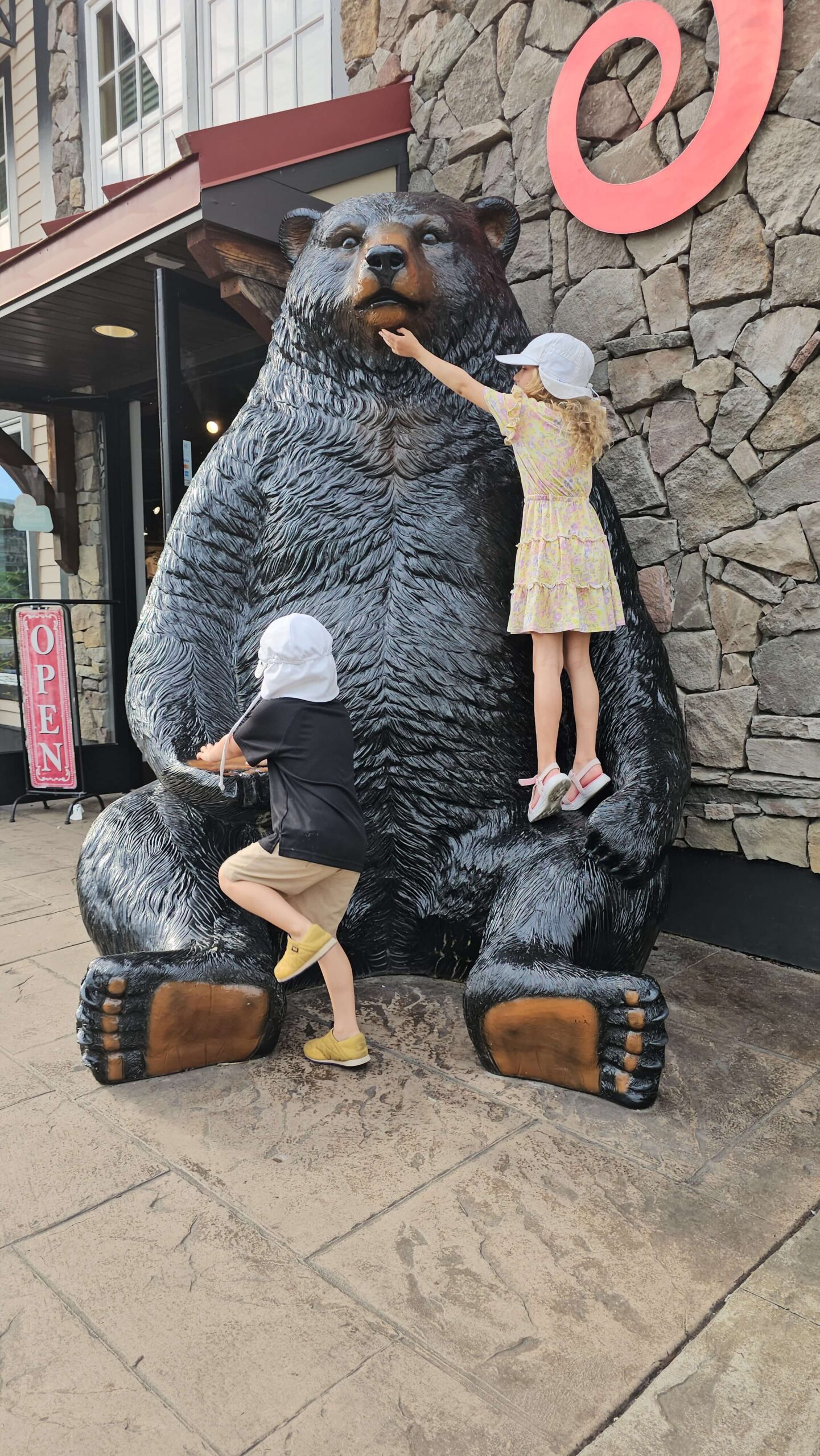
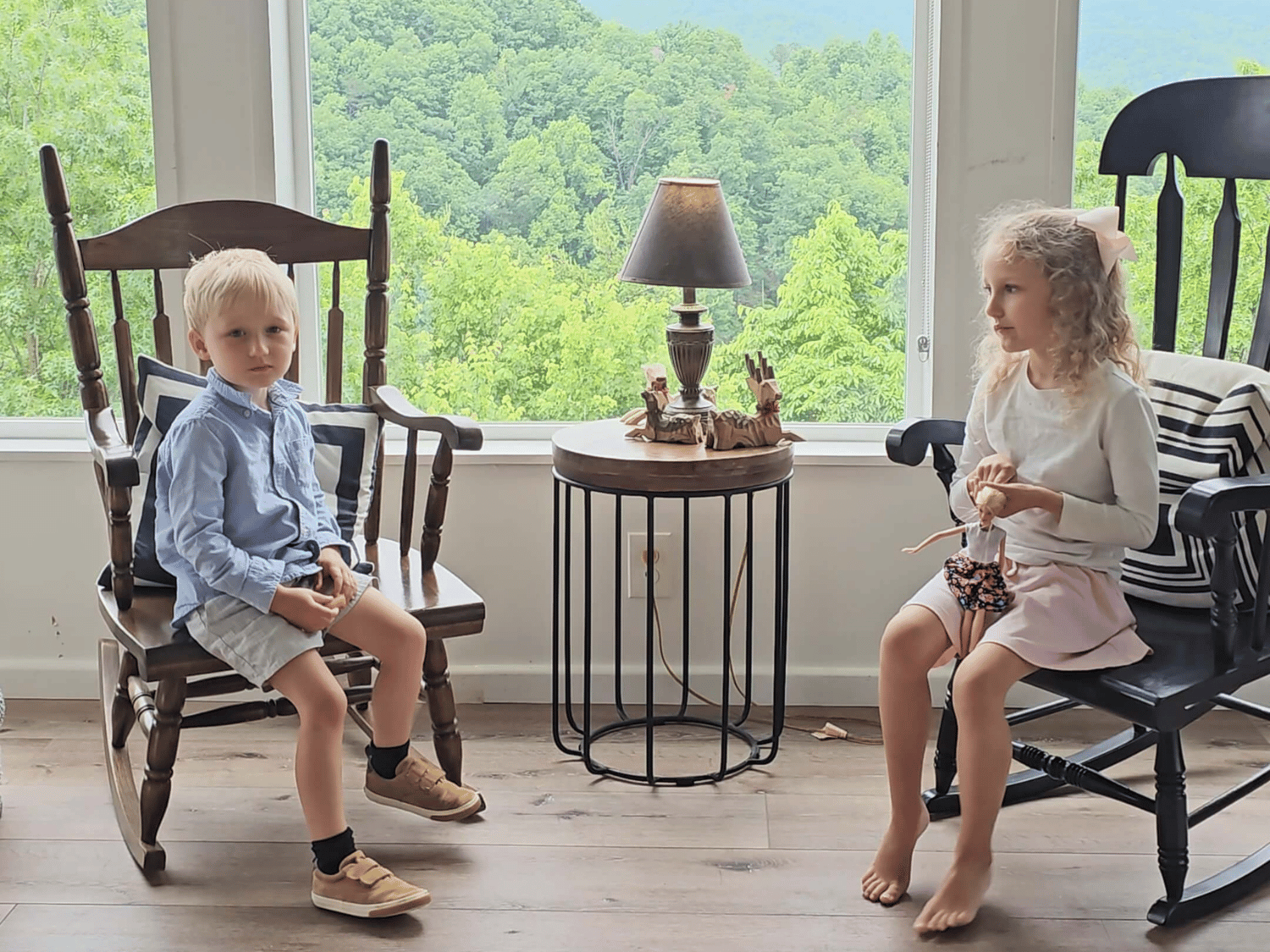
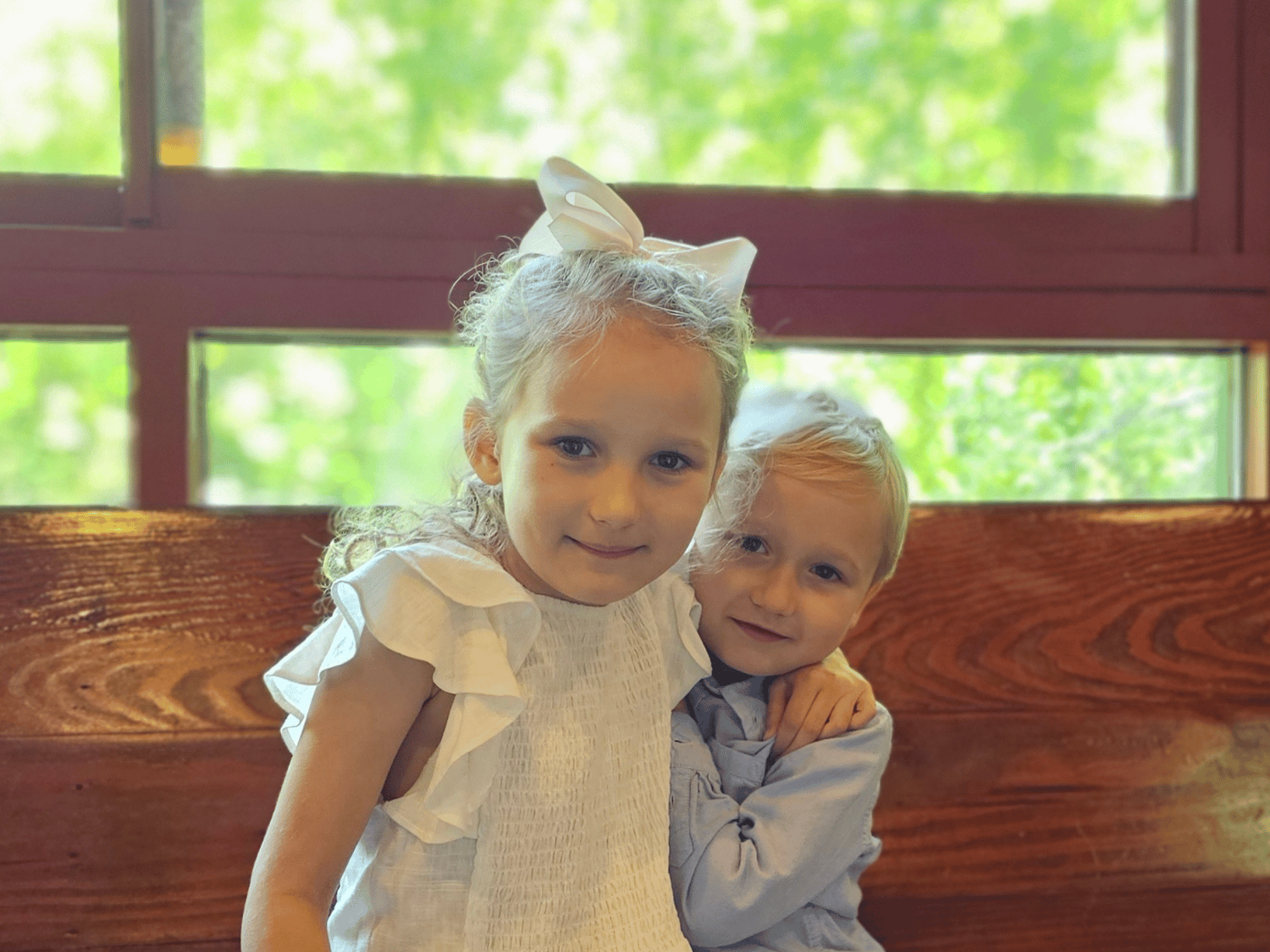
Know that my love for you is as boundless as the skies and as deep as the oceans. Our family, our unity, and our love are the truest home you’ll ever know, and it is my deepest prayer that this only grows to expand as you grow and have your own families.
In sharing my story, my reflections, I hope to offer you both comfort and courage. Remember, you were born to rise, to shine, and to be the incredible individuals you are destined to be.
And if someone else’s rejection ever makes you question your worth, I hope you’ll remember what we’ve talked about in our family conversations about rejection, resilience, and choosing yourself.
With all the love in my heart,
Mom
If Your Child Is Being Bullied
Listen first and make sure your child knows they can come to you without being blamed or dismissed. Work together on what would help them feel safer, involve trusted adults when needed, and keep following up rather than assuming the situation has resolved itself. StopBullying.gov offers practical guidance for supporting children who are being bullied.
Keep Building Confidence and Resilience
One of the things I want most for Claire and Peter is the kind of confidence that lets them remain friendly, kind, and brave even when someone else isn’t offering the same in return.
Frequently Asked Questions About Bullying and Resilience
What is considered bullying?
Bullying generally involves unwanted aggressive behavior, a real or perceived imbalance of power, and behavior that is repeated or has the potential to be repeated. It can be physical, verbal, social, or take place online.
Is bullying always caused by jealousy?
No. Jealousy or insecurity may play a role in some situations, but bullying can have many different contributing factors. Children may bully because they want power or social status, are dealing with anger or anxiety, are influenced by peers, have difficulty with empathy or boundaries, or have experienced bullying themselves.
What should parents do if their child says they are being bullied?
Start by listening without judgment and asking what happened. Reassure your child that you want to help and that bullying is not their fault. Depending on the situation, involve teachers, coaches, counselors, activity leaders, or other trusted adults and continue checking in afterward.
How can parents help children become more resilient?
Children build resilience gradually through secure relationships, opportunities to solve problems, supportive friendships, meaningful responsibilities, and experiences that show them they can handle difficulty. Resilience doesn’t mean that hurtful experiences don’t affect them; it means developing the skills and support to recover and move forward.
Should children simply ignore a bully?
Not necessarily. Children should not be expected to manage repeated bullying entirely on their own. Depending on the situation, they may be able to calmly tell the person to stop or walk away, but they should also know that seeking help from a trusted adult is appropriate and important.
You May Also Like:
 How Extracurriculars Can Support Homeschool Subjects and Learning
 You Don’t Owe Every Mom Friendship. You Do Owe Her a Hello
 Why We Leave Our Shoes at the Door: A Simple Family Routine That Works
 What Healthy Confidence Actually Looks Like
 The Return of Social Graces: Why Families Are Considering Cotillion
 Week 29 Challenge: Play The Thank You Game Every Single Day
 Creating a Cozy, Faith-Filled Christmas at Home: Traditions That Help Our Family Slow Down
 Welcome to Week 13: Embracing Warm Water Together!