The Amazing Parenting Odyssey: Heartfelt Tips for Every Step
Parenting is quite the adventure, isn’t it? Every day brings its own set of challenges, surprises, and joys. As our little ones grow, they move through different stages, each with its own flavor. It’s a journey of learning, not just for them, but for us parents too. Today, I want to share some strategies and insights that have been game-changers for me, making this adventure a bit smoother and a lot more enjoyable.

Finding the Sweet Spot with Competition and Balance
Let’s start with competition. It often gets a bad rap, but it’s actually a natural part of growing up. It can light a fire under our kids, encouraging them to put in that extra effort. But, and it’s a big but, it’s all about balance. While a little competition can spark motivation, we also want to teach our kids the beauty of cooperation and empathy.
For us, the goal isn’t simply to raise children who want to win. It’s to help them become confident enough to try, gracious enough to lose, and kind enough to celebrate someone else’s success.
How We Talk Matters
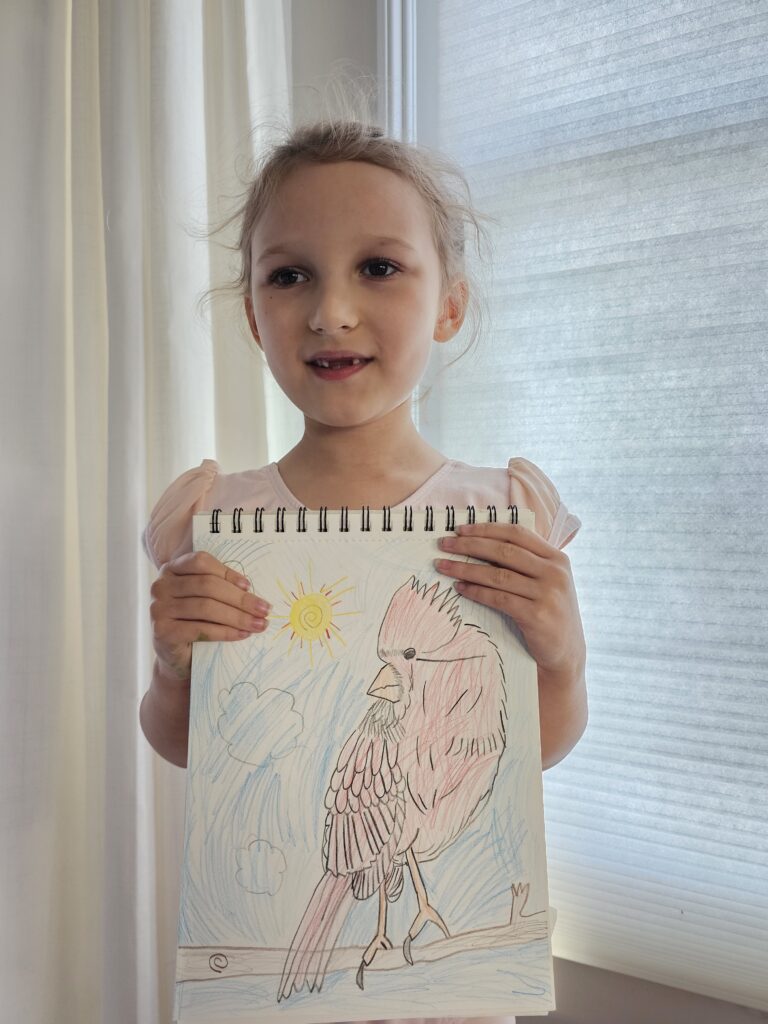
The way we talk to our kids can truly shape how they see themselves. Instead of just tossing out a “great job,” try pointing out exactly what they did, like, “Hey, you put all your toys away!” It’s a small tweak, but it encourages our little ones to see and value their own efforts. And isn’t it wonderful when they start to find joy in their achievements, independent of our applause?
This kind of specific encouragement is also consistent with guidance from the American Academy of Pediatrics, which recommends describing positive behavior and recognizing genuine effort rather than relying only on broad praise.
Navigating Conflicts with Compassion
Ah, conflicts. They’re as inevitable as rain in spring. But here’s the thing: how we handle these moments can teach our children valuable lessons about understanding and empathy. Acknowledging their feelings and explaining our actions (even when they might not agree) shows them respect and models thoughtful communication. And always circling back once the storm has passed? That’s where the real growth happens.
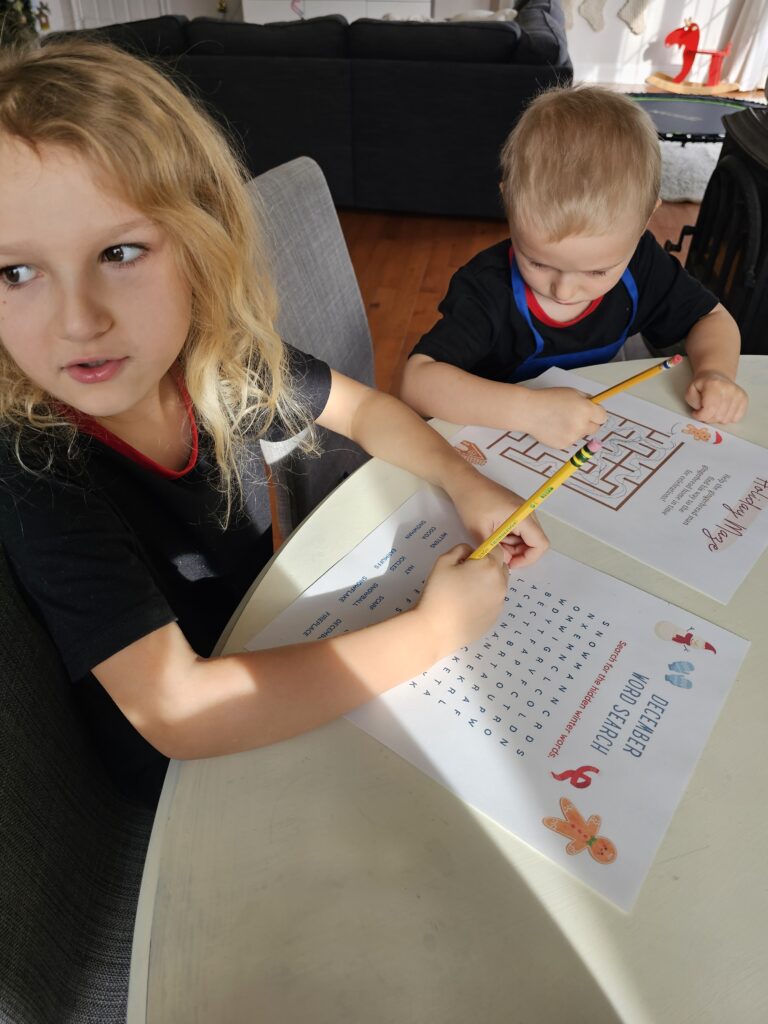
We’ve also found that not every disagreement needs an immediate adult solution. Giving children appropriate space to work through smaller problems can help them practice the same problem-solving, empathy, and self-advocacy skills we want them to carry into adulthood.
The Art of Self-Reflection
Encouraging our kids to rate the importance of their problems on a scale from 1 to 10 is like giving them a secret tool for life. It’s all about perspective. Revisiting these “ratings” helps them see that things change, feelings shift, and what seemed like a mountain might just be a molehill in hindsight.
For me, the important part isn’t telling them that a problem is small. It’s helping them slow down, think about what they’re feeling, and gradually learn how to put difficult moments into perspective.
Fairness, Equality, and Celebrating Uniqueness
Here’s a truth bomb: fair doesn’t always mean equal. Each child is unique, with their own needs, strengths, and challenges. Sometimes, one kid might need more attention or a different approach, and that’s okay. It’s a great lesson in empathy and support for the whole family.
That’s part of the family culture we’re trying to build: children don’t have to receive identical things at identical moments to know they’re equally loved and valued.
Fostering Teamwork and Individuality
Encouraging our kids to explore their interests (even if they’re wildly different) and finding activities that require teamwork are fantastic ways to build both individuality and a sense of community. Plus, it makes for some pretty memorable family moments.
Giving children both individual interests and meaningful ways to contribute also connects with why we’ve chosen a contribution-focused childhood. We want Claire and Peter to know that who they are individually matters, but so does what they bring to the family and the people around them.
Cherishing Those Special One-on-One Times
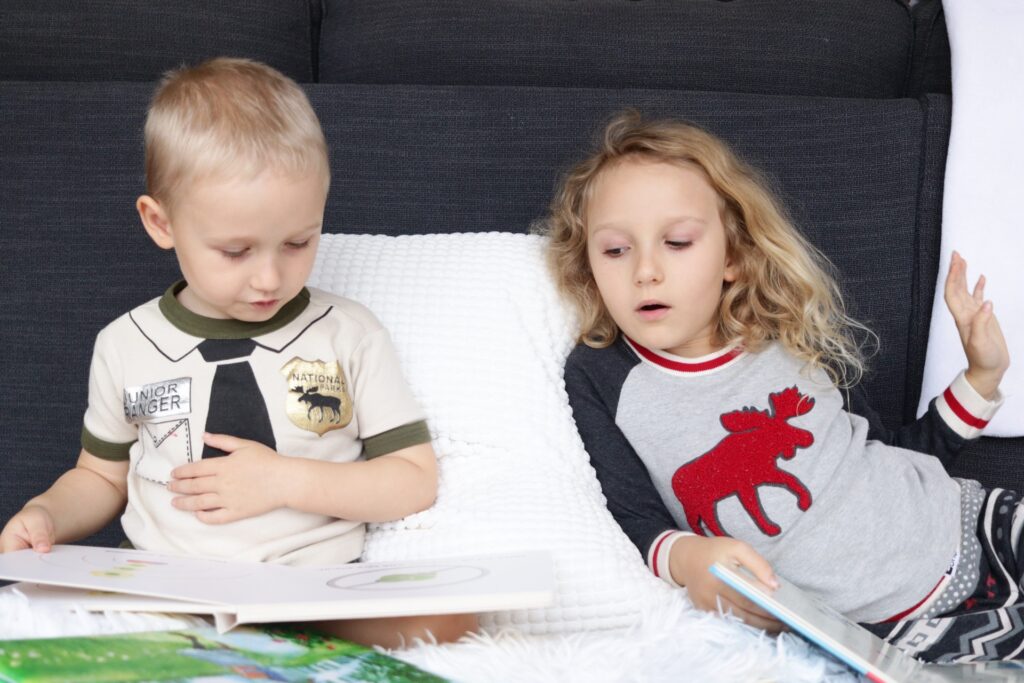
Setting aside special days for one-on-one time is a magic ingredient in the parenting recipe. It strengthens bonds, builds trust, and lets each child know they’re valued just for being them. In the end, parenting is about love, understanding, and a whole lot of patience. By focusing on these strategies, we’re not just navigating the challenges; we’re embracing the beautiful, messy, and wonderful adventure of raising our little humans. Here’s to the journey, friends. May it be filled with laughter, learning, and lots of love.
That one-on-one time doesn’t need to be elaborate. HealthyChildren recommends regularly creating individual time with each child, even when it’s something as simple as a bedtime conversation, a walk together, or a small activity the child enjoys.
And, of course, individual connection works best alongside the family togetherness that reminds everyone they belong to something bigger than themselves.
Parenting Is Built in the Everyday Moments
For us, raising Claire and Peter isn’t about getting every parenting decision right. It’s about creating a home where they can practice confidence, responsibility, empathy, problem-solving, and connection while knowing they are deeply loved.
Frequently Asked Questions About Everyday Parenting
Is competition always bad for children?
No. Competition can provide motivation, challenge, and opportunities to practice winning and losing gracefully. The balance matters. Children can learn to pursue their own goals while also cooperating, showing empathy, and celebrating other people’s accomplishments.
How can parents praise children effectively?
Specific feedback can help children understand exactly what they did well. Instead of relying only on a general “good job,” parents can notice effort, initiative, persistence, kindness, or a specific behavior. For example, “You remembered to put everything away without being asked” gives a child more information about what they accomplished.
Should parents always step into sibling conflicts?
Not necessarily. When a disagreement is minor and everyone is safe, children can sometimes benefit from trying to solve it themselves. Parents can step in when children are unable to resolve the problem, emotions become overwhelming, or someone’s physical or emotional well-being is at risk.
Does fair parenting mean treating every child exactly the same?
Not always. Children can have different ages, needs, abilities, interests, and circumstances. Fairness can mean giving each child the support they need rather than automatically giving everyone identical treatment in every situation.
Why is one-on-one time with each child important?
Individual time gives a child an opportunity to have a parent’s full attention without competing with siblings or everyday distractions. It can make space for conversation, strengthen connection, and help parents appreciate each child’s personality and interests more fully.
Want to see more behind-the-scenes parenting moments and tips? Head over to my Instagram stories for daily updates! @here.they.grow
You May Also Like:
 What Healthy Confidence Actually Looks Like
 🌿 Weekly Wellness Challenge: The “Smile More” Challenge
 Norwegian Cruise Line: An Epic Trip to Remember
 Why We Chose a Contribution-Focused Childhood
 Week 29 Challenge: Play The Thank You Game Every Single Day
 You Don’t Owe Every Mom Friendship. You Do Owe Her a Hello
 Why We Leave Our Shoes at the Door: A Simple Family Routine That Works
 Growing Up Jekyll on an Island We Love