Why Our Family Starts Celebrating Autumn on September 1
There is something about September 1 that feels like the beginning of an entirely new season, even when the weather has not received the message yet.
Here in the South, the afternoons may still be warm. The leaves may still be green, and no one is reaching for a heavy sweater before breakfast. Yet September brings a noticeable shift. School routines return, the evenings gradually arrive a little earlier, and the first hints of cooler weather begin appearing between the lingering summer days.
That is why September 1 has become the day our family officially welcomes autumn.
We do not wait for the autumn equinox later in the month. We begin changing the atmosphere of our home on the first day of September, and we allow those autumn traditions to carry us through the entirety of September and October. Then, on November 1, we make another intentional transition and welcome what we think of as our Thanksgiving season.
This does not mean that we completely redecorate the house overnight or follow an elaborate schedule of seasonal activities. The heart of this tradition is much simpler. We begin noticing the season. We bring out the colors and textures we associate with autumn. We spend more time outdoors as the heat begins to soften. We return to favorite books, foods and family outings. We make ordinary evenings feel a little more memorable.
For our family, autumn is not merely a decorating style. It is a two-month rhythm of home, family and gratitude that begins every September 1. It also fits naturally with the way we try to build a contribution-focused childhood, where children participate in the rhythms of home instead of simply watching them happen.
Why We Begin Celebrating Autumn on September 1
People often ask when it is appropriate to begin decorating for fall. Some wait until the official first day of autumn. Others wait for the temperature to drop or for the first leaves to change. Many families begin sometime in August, while others skip directly from summer into Halloween.
There is no single correct date, but September 1 feels just right for us.
By September, we are ready for a change. Summer has been full, bright and active. We have enjoyed swimming, long days, summer camps, vacations and the freedom that comes with a less structured schedule. By the end of August, however, the heat can begin to feel relentless, and our family is usually ready to return to more predictable rhythms.
September brings that opportunity. Homeschool routines begin to settle into place. Activities resume. The pace of the week becomes more defined, and home begins to feel like the center of family life again. That return to rhythm is one reason we care so much about nurturing resilient, confident kids through problem-solving in everyday family life.
Starting our autumn traditions on September 1 gives the children something special to anticipate as summer winds down. We are not simply saying goodbye to one season. We are warmly welcoming the next one.
It also gives us two full months to enjoy autumn without rushing. If we waited until October, the season would seem to pass almost as soon as it began. There would be only a few short weeks before Thanksgiving and Christmas preparations started competing for our attention.
Beginning on September 1 allows autumn to unfold slowly.
September can be about warm colors, outdoor dinners, early apples, changing routines and the first subtle signs of fall. October can bring pumpkins, increasingly colorful leaves, cooler evenings, seasonal outings and all the traditions that feel most distinctly autumnal. Neither month has to carry the entire season alone.
This tradition also reminds us that family culture is created through small decisions. A family tradition does not need to be inherited or elaborate to be meaningful. Sometimes it begins because someone chooses a date, brings out a favorite tablecloth, bakes something familiar and says, “This is what we do every year.”
Over time, those repeated moments become part of a child’s understanding of home.
How to Welcome Autumn Into Your Home
Welcoming autumn does not require buying an entirely new collection of decorations every September. Some of the most meaningful seasonal changes are simple, inexpensive and already available in nature.
We focus less on making every room look like a store display and more on changing the feeling of our home.
Begin With the Rooms Your Family Uses Most
We do not need to decorate every corner for autumn to feel present. A few thoughtful changes in the kitchen, living room, dining area and front entry can alter the atmosphere of the entire house.
A warm throw blanket placed over the back of the sofa, a bowl filled with small pumpkins or apples, and a seasonal arrangement on the dining table are often enough to signal that something has changed.
The goal is not to create clutter. It is to make the spaces where we gather feel warm, welcoming and connected to the season outside.
Bring Nature Indoors
Autumn provides its own decorations. Children can collect pinecones, acorns, interesting branches and colorful leaves during family walks. These can be arranged in a basket, placed in a clear vase or used to create a simple nature display.
A few branches with changing leaves can be more beautiful than an expensive floral arrangement. A wooden bowl filled with apples feels seasonal and useful at the same time. Even leaves pressed between the pages of a heavy book can later become decorations, bookmarks or additions to a nature journal.
These natural elements also give children a role in preparing the home for autumn. Instead of simply watching an adult decorate, they participate by noticing, gathering and arranging pieces of the season themselves. Families who want to turn this into a shared habit may enjoy our Family Nature Challenge for Quality Family Time.

Change the Lighting and Textures
As the days gradually shorten, softer lighting makes a tremendous difference. Lamps, warm light bulbs and candles can make ordinary evenings feel more peaceful. We do not need to wait until it is cold outside to begin creating that sense of warmth indoors.
Texture is equally important. Woven baskets, wooden serving pieces, soft blankets, linen napkins and heavier tablecloths naturally suit the season. These pieces do not need to have pumpkins printed on them to feel like autumn. Often, the material and color are enough.
Bring Back Seasonal Books, Music and Familiar Scents
The atmosphere of a home is created by more than what we can see.
We bring seasonal books back into easy reach, including autumn picture books, nature books, family read-alouds and stories that reflect the slower, cozier feeling of the season. Familiar books returning to the shelf can become as much a part of the tradition as decorations.
Music can also quietly change the mood of a morning or evening. Instrumental music, acoustic playlists and gentle seasonal songs help create a different rhythm without making the house feel overly themed.
Then there are the scents associated with autumn: cinnamon, apples, vanilla, cloves, warm bread and woodsmoke. These may come from a candle, but they are even better when they come from something baking in the oven or simmering in the kitchen.
Children often remember the scents of home long after they have forgotten the details of the decorations.
The Autumn Colors That Transform a Home for Fall
One of my favorite parts of changing our home for autumn is watching the color palette deepen.
Summer often brings brighter colors, crisp whites and a lighter feeling. As September begins, I naturally start reaching for shades that feel warmer, richer and more grounded.
Autumn is often associated with orange and brown, but the season offers a much broader and more beautiful range of colors.
Warm Cream and Soft Beige
Cream, oatmeal and warm beige provide a calm foundation for autumn decorating. These lighter neutrals keep deeper seasonal colors from making a room feel dark or heavy.
A cream blanket, natural linen table runner or soft beige pillow can balance stronger colors and work well from September through Thanksgiving.
Pumpkin, Copper and Burnt Orange
Orange can be beautiful when it reflects the colors found in nature. Rather than using only bright Halloween orange, I prefer shades such as pumpkin, terracotta, copper and burnt orange.
These warmer tones can appear in pumpkins, flowers, candles, kitchen towels, artwork or a few carefully chosen accents. They immediately suggest autumn without requiring an entire room to become orange.
Mustard Yellow and Muted Gold
Mustard yellow and antique gold capture the look of late-afternoon autumn sunlight. These colors bring warmth into a room and pair beautifully with cream, burgundy, green and brown.
A mustard throw, golden mums or a bowl of yellow apples can add just enough color to make a space feel seasonal.
Olive and Forest Green
Green is sometimes overlooked in autumn decorating, but it is one of the season’s most important colors. Not every leaf changes at once. Evergreen branches, magnolia leaves, herbs and late-season plants provide a deep green backdrop for the brighter colors of fall.
Olive and forest green also prevent autumn decorations from feeling overly predictable. They add richness while still feeling natural and timeless.
Burgundy, Cranberry and Deep Red
Deep reds begin to bridge the transition between early autumn and Thanksgiving. Burgundy, wine and cranberry can be introduced gradually through flowers, pillows, ribbons, napkins or small accents.
These shades feel especially beautiful beside copper, mustard and dark green. They create a layered autumn palette that can remain in place through October and easily transition into November.
Cinnamon, Chestnut and Chocolate Brown
Brown provides the grounding element in an autumn color palette. Wood furniture, baskets, branches, pinecones and leather naturally bring these shades into a home.
Cinnamon brown feels warm and inviting, while deeper chestnut and chocolate shades add contrast. Because these colors often come through natural materials, they help a space feel collected rather than heavily decorated.
Using Autumn Colors Beyond Decorations
Autumn colors do not need to be limited to decorative objects. We notice them in clothing, flowers, food, books and nature itself.
A rust-colored sweater, olive dress, burgundy ribbon or mustard cardigan can make getting dressed feel connected to the season. A vase of mums or branches can bring those same colors to the table. Apples, pumpkins, pears and baked goods add their own shades to the kitchen.
Even children can begin noticing how the colors outside change from week to week. In early September, green may still dominate. Then hints of yellow and rust begin to appear. By October, the landscape may include brilliant red, orange, copper and brown.
Paying attention to autumn colors turns the season into something we experience rather than something we merely decorate for.
Our Favorite September and October Family Traditions
Seasonal traditions do not have to be grand or expensive. In fact, the activities children remember most are often the ones that happen repeatedly and without much fuss.
Our favorite autumn traditions encourage us to spend time together, notice the natural world and enjoy the simple pleasures that are easy to overlook during busier seasons.
Taking Autumn Nature Walks
Nature walks change throughout September and October. At first, we may be looking for only the earliest signs of autumn: a few acorns on the ground, a cooler breeze or one branch beginning to turn yellow.
As the weeks pass, there is more to discover. Children can collect leaves, identify trees, look for pinecones, photograph mushrooms or observe how the light changes earlier in the evening.
A nature walk does not need to happen on a special trail. It can take place around the neighborhood, at a local park or even around our own property. The important part is slowing down enough to notice what has changed since the previous walk. Families who enjoy turning these observations into a shared challenge may also enjoy our Family Nature Challenge for Quality Family Time.
Visiting Farmers Markets and Orchards
Farmers markets are especially enjoyable at this time of year. The displays begin filling with apples, squash, pumpkins, flowers, honey and baked goods.
When possible, we also enjoy visiting an apple orchard or pumpkin patch. These outings do not need to become elaborate productions. The simple experience of walking among the trees, choosing apples or letting the children select a pumpkin can become a treasured yearly tradition. It is similar to how family adventures can become part of children’s education when we treat real experiences as opportunities to observe, ask questions and learn together.
Reading Seasonal Books Together
Autumn is an ideal season for family reading. As the evenings arrive earlier, it feels natural to gather with a book.
We bring back favorite picture books for younger children and choose family read-alouds that suit the season. Nature stories, gentle mysteries, classic children’s literature and books set in cozy homes or rural landscapes are especially inviting during autumn.
Seasonal reading also gives us a quiet tradition that can happen even during the busiest weeks. We may not have time for a full day at an orchard, but we can almost always find twenty minutes to read together.
Baking and Making Simple Seasonal Treats
Autumn baking is less about creating elaborate desserts and more about returning to familiar flavors. Apple crisp, pumpkin bread, cinnamon muffins, baked apples and warm cookies make the kitchen feel like the center of the home.
Children can measure ingredients, stir batter, sprinkle cinnamon or help choose what to bake. The result does not need to be perfect. The process of making something together is part of the tradition and can gently reinforce the habits discussed in Nurturing Work Ethic in Our Kids.
Planning Family Movie, Puzzle and Game Nights
Not every autumn memory needs to happen outside the home. Some of our favorite evenings are the simplest ones.
A family movie, a puzzle spread across the dining table or a board game after dinner can become more memorable with a few small touches. We might make popcorn, bring out blankets or serve warm cider. The activity itself is familiar, but the seasonal atmosphere makes it feel special.
These quiet evenings can also become a gentle way to practice gratitude and connection, especially when paired with family conversation games like The Thank You Game.
Photographing the Season as It Changes
Autumn can change quickly, which makes it especially meaningful to photograph. We take pictures of the children outside, but we also capture the small details: a basket of apples, leaves collected on a walk, dinner on the porch or the first pumpkin placed by the front door.
These photographs become a record of family life rather than simply a record of major events. Years later, those ordinary scenes may be the ones we treasure most.
The Season Is Remembered Through Family Life
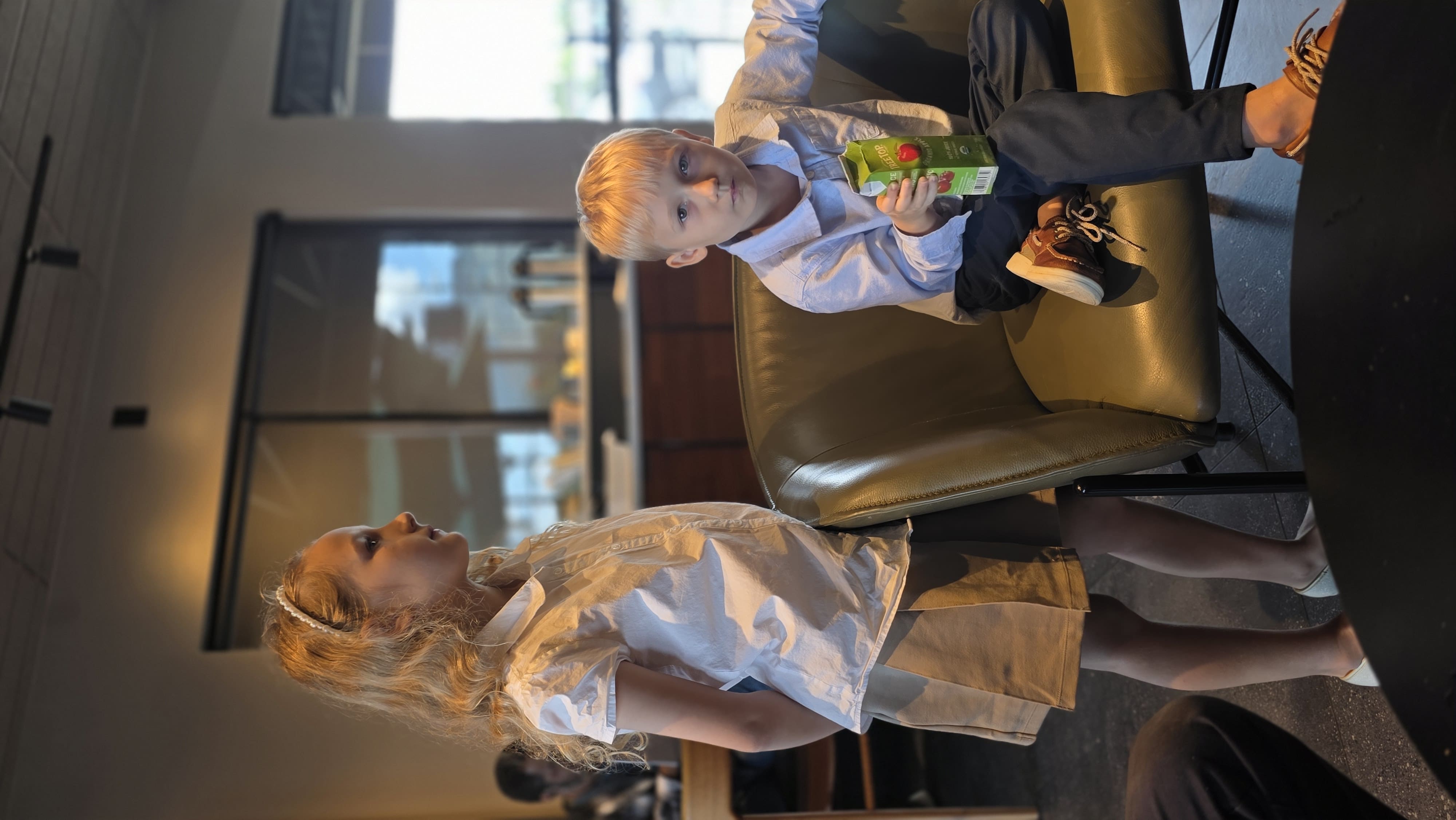
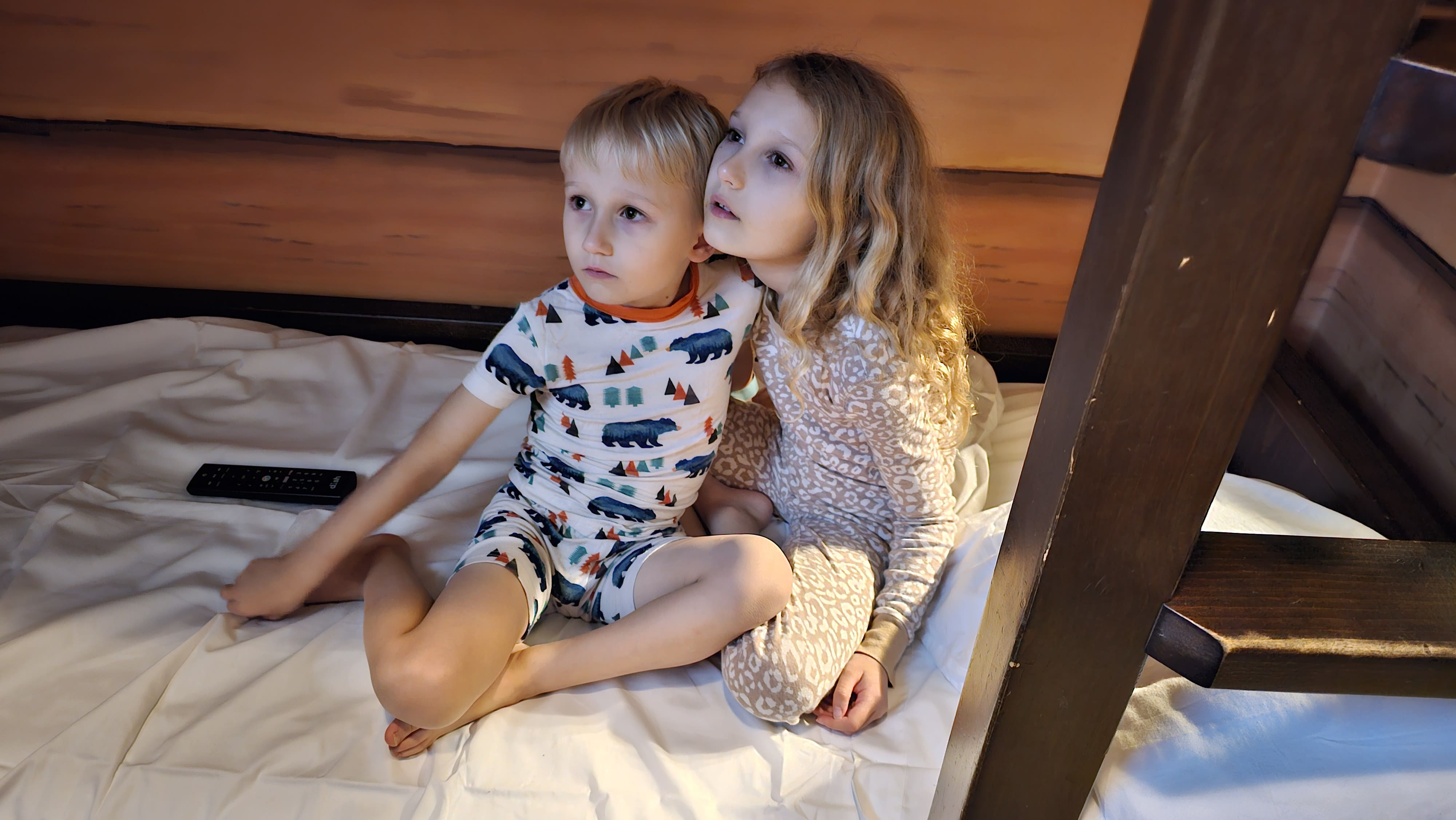
Not every autumn tradition needs to involve a major outing. A shared drink, a quiet evening, a familiar movie, or time spent together can become part of the rhythm children remember.
Why Outdoor Cooking Is One of Our Favorite Autumn Traditions
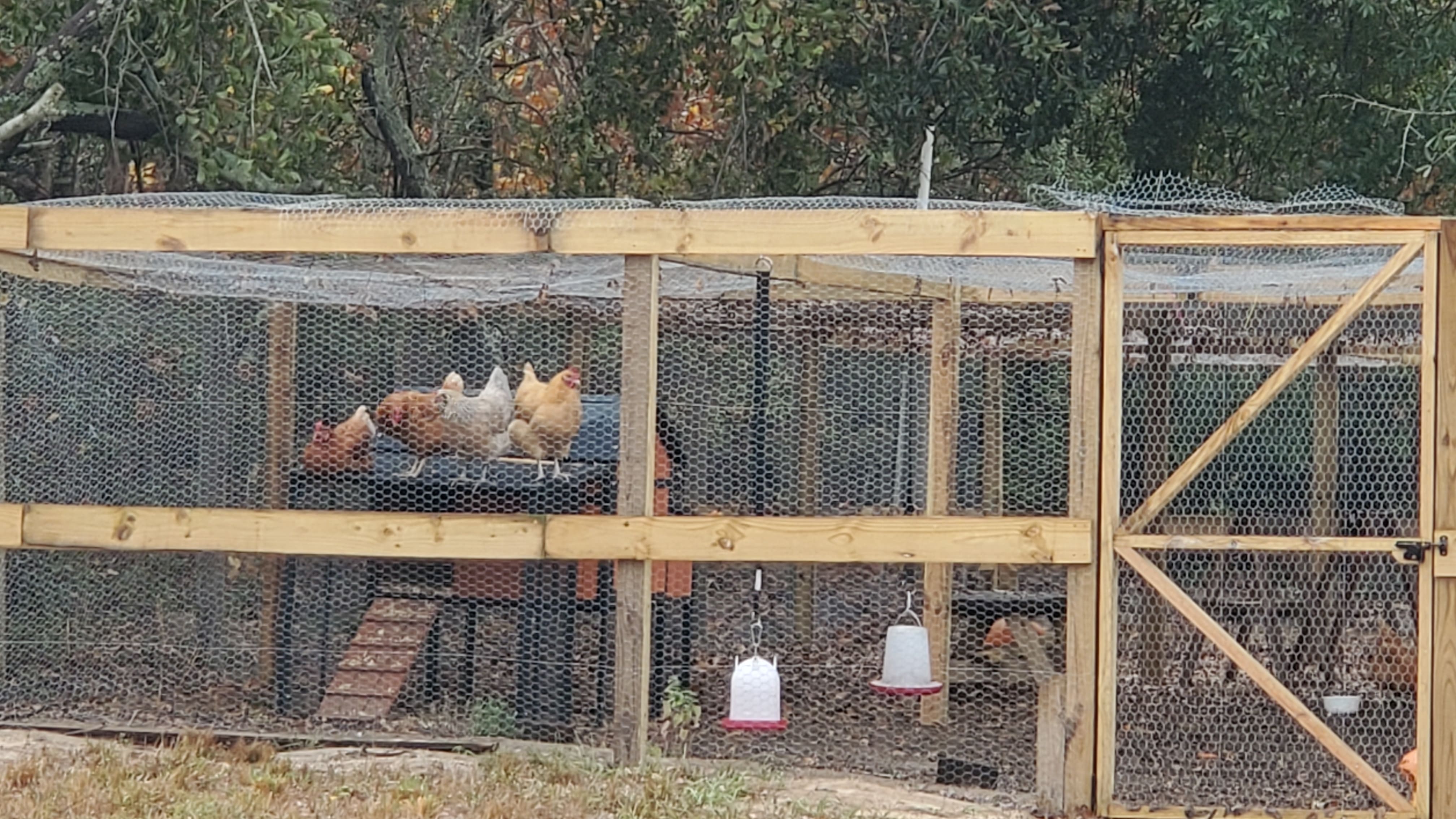
Our family talks a great deal about outdoor cooking at this time of year because we have become quite masterful at making quick outdoor meals.
During the hottest part of summer, cooking and eating outside can sometimes feel like too much effort. By September, however, the evenings gradually become more comfortable. The air begins to change, the sun sets a little earlier, and being outdoors starts to feel inviting again.
That is when our outdoor cooking season truly comes alive.
Quick Outdoor Meals Keep Us Outside Longer
One of the reasons we enjoy outdoor cooking is that it does not need to become a complicated event. We are not trying to prepare an impressive feast every time we light the grill or cook near the fire.
We have learned how to make simple outdoor meals quickly, which means we can enjoy the experience even on an ordinary weekday.
Grilled chicken, hamburgers, steak, vegetables, baked potatoes and simple foil-packet meals all work well because they require little preparation and can be adjusted to suit the people gathered around the table.
Sometimes the side dishes are prepared indoors while the main portion cooks outside. Other times, nearly everything goes onto the grill. The best approach is the one that gets dinner on the table without turning a peaceful evening into an exhausting project.
Outdoor Cooking Changes the Feeling of an Ordinary Dinner
A meal does not have to be unusual to feel special.
The same dinner we might eat at the kitchen table feels entirely different when it is served outside. The children can move around while the food cooks. We can notice the evening air, hear the sounds of the property and watch the light begin to fade.
There is less pressure for everything to look perfect. Outdoor meals tend to feel relaxed. Paper plates may replace our usual dishes. Food is passed around casually. Conversation unfolds while someone checks the grill or brings another drink to the table.
These dinners give us the feeling of having done something memorable even though we have only prepared a simple meal at home.
Favorite Autumn Foods to Cook Outside
Some foods naturally suit autumn outdoor cooking. Grilled chicken can be served with roasted vegetables or a simple salad. Hamburgers are easy on busy evenings. Steak, baked potatoes and corn make a meal feel special without requiring hours of work.
Vegetables such as squash, zucchini, onions, carrots and sweet potatoes can be grilled, roasted in a basket or wrapped in foil. Bread can be warmed outside, and apples can be cooked until soft with cinnamon and a little butter.
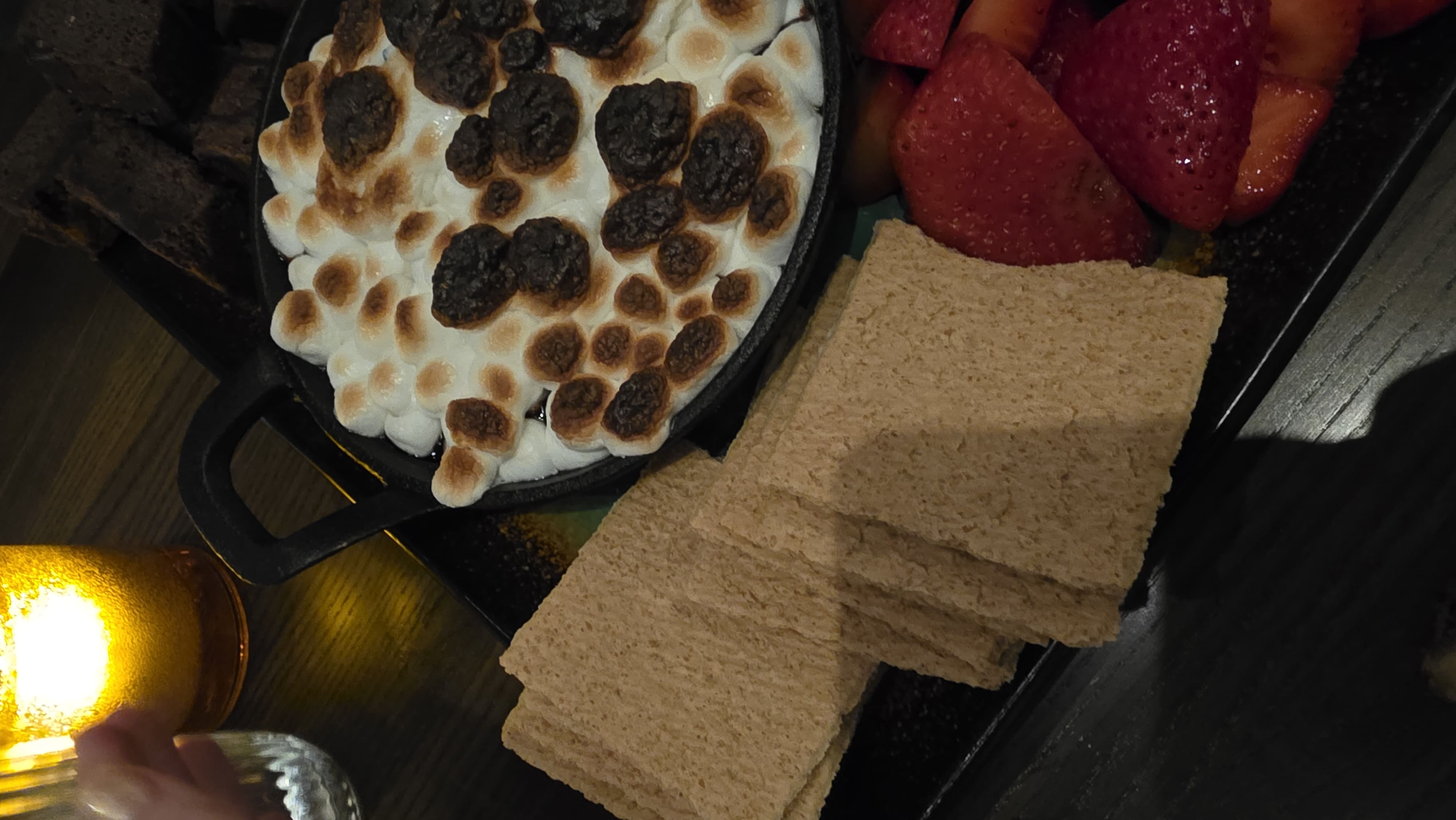
Dessert may be as simple as roasted marshmallows or s’mores. On evenings when we have more time, a cast-iron apple crisp or cobbler makes the entire outdoor space smell like autumn.
Outdoor Meals Help Us Appreciate the Changing Season
Perhaps the best part of outdoor cooking is that it encourages us to remain outside long enough to notice the season.
We see how much earlier darkness arrives than it did a few weeks before. We notice that the air feels cooler after sunset. We hear insects, watch birds settle and occasionally need to retrieve a light sweater as September turns into October.
Those small observations are part of what makes autumn feel real.
Cooking outside is not simply a way to prepare food. It is one of the ways our family marks the transition from summer into fall. It allows us to enjoy the mild evenings before colder weather arrives and turns an ordinary family dinner into a seasonal tradition we genuinely look forward to each year.
Simple Autumn Foods We Look Forward to Every Year
Every season has its own flavors, and for our family, autumn brings some of the most comforting foods of the year. We don’t completely change the way we eat, but we naturally begin reaching for recipes that make the house feel warm and inviting.
Many of these foods are wonderfully simple. They don’t require hours in the kitchen or expensive ingredients. Instead, they remind us that some of the best family memories are created around ordinary meals enjoyed together.
Fresh Apples Become a Staple
One of the first signs that autumn has arrived is the return of fresh apples. Whether they’re purchased from a local orchard, picked at a farmers market, or simply added to our grocery cart, apples seem to find their way into nearly everything during September and October.
We enjoy them fresh, sliced with peanut butter, baked into crisps, folded into muffins, or served alongside dinner. Even a bowl of beautiful apples sitting on the kitchen counter becomes part of our seasonal decorating.
Warm Drinks Slow the Pace of the Day
As mornings become a little cooler, warm drinks begin replacing the cold beverages of summer.
Apple cider, herbal teas, hot chocolate, and warm coffee all encourage us to slow down for a few extra minutes. Sometimes those quiet moments before the children wake become one of the most peaceful parts of the day.
Baking Becomes a Weekend Tradition
Autumn always seems to invite baking. Pumpkin bread, apple crisp, cinnamon muffins, oatmeal cookies, baked apples, and homemade bread begin making regular appearances in our kitchen.
The wonderful thing about baking with children is that it naturally teaches math, following directions, patience, and teamwork while creating something everyone enjoys afterward.
More importantly, the smell of cinnamon, vanilla, butter, and apples baking in the oven creates memories that children often carry into adulthood.
Catholic September Traditions Our Family Loves
One of the things I appreciate most about celebrating autumn is that it fits beautifully alongside the rhythm of the Catholic liturgical year.
Rather than viewing September simply as the beginning of pumpkin season, we also see it as an opportunity to slow down spiritually before the busy holiday months arrive.
The Nativity of the Blessed Virgin Mary — September 8
Celebrating Our Lady’s birthday is a beautiful way to begin the month. We may add fresh flowers near a Marian statue, pray an extra decade of the Rosary together, or simply spend a few moments thanking God for Mary’s faithful “yes.”
The Holy Name of Mary — September 12
This feast reminds us of the beauty and power of Our Lady’s name. It can be a wonderful day to teach children more about Mary’s role in salvation history and encourage them to turn to her in prayer.
The Exaltation of the Holy Cross — September 14
This feast offers an opportunity to remember Christ’s sacrifice while reflecting on the crosses each of us carries with hope and faith.
St. Michael the Archangel — September 29
Children especially enjoy learning about St. Michael. Reading the story of his courage, praying the St. Michael Prayer together, and discussing spiritual warfare can become meaningful family traditions each September.
Giving Thanks Before Thanksgiving
Perhaps my favorite Catholic tradition during autumn is simply becoming more intentional about gratitude long before Thanksgiving arrives. One simple way we practice this is through our family’s “I Feel Blessed Because” gratitude game.
We thank God for changing seasons, healthy harvests, beautiful weather, our home, our family, and the countless ordinary blessings that can easily become overlooked during busy weeks.
Autumn naturally reminds us that every season is a gift from God.
Preparing for Christmas Without Skipping Autumn
This may sound surprising, but September is actually when I begin thinking about Christmas.
Not decorating.
Not listening to Christmas music.
Not putting up a tree.
Planning.
One of the greatest gifts we’ve given ourselves is separating Christmas planning from Christmas celebrating.
During September, I might begin making gift lists, setting a Christmas budget, measuring the children for clothing, writing down gift ideas throughout the month, planning Advent activities, or forcing amaryllis bulbs so they’ll bloom around Christmas.
Those quiet preparations reduce stress later while allowing us to fully enjoy autumn. Then, when Christmas arrives, we have more room for the slower and more meaningful traditions described in our post about cozy, faith-filled Christmas traditions at home.
By the time Thanksgiving arrives, much of the planning has already been completed, making it much easier to enjoy Advent without feeling overwhelmed.
Our September Bucket List
One of our favorite traditions is creating a simple family bucket list for the season. We never feel pressured to complete every activity. Instead, the list simply reminds us to intentionally enjoy this beautiful time of year.
- Visit a farmers market.
- Go apple picking.
- Visit a pumpkin patch.
- Take a nature walk.
- Collect colorful leaves.
- Press leaves inside a favorite book.
- Bake pumpkin bread.
- Make apple crisp.
- Enjoy dinner outside.
- Cook a meal on the grill.
- Roast marshmallows.
- Read a new family book together.
- Complete a fall puzzle.
- Decorate the front porch.
- Plant mums.
- Light the first autumn candle.
- Photograph changing leaves.
- Visit a local park.
- Make homemade cider.
- Watch an autumn sunset.
- Start a gratitude journal.
- Celebrate September feast days.
- Visit a corn maze.
- Take family photos outdoors.
- Invite friends over for an outdoor dinner.
Turn Autumn Traditions Into Simple Learning Moments
Nature walks, gratitude activities, seasonal reading, family cooking, and simple planning pages can help children participate more intentionally in the season. Browse Here They Grow printables and family resources on either marketplace.
Why We Switch to Thanksgiving on November 1
One of the questions I receive most often is whether we decorate for Halloween.
The answer is that while we certainly enjoy pumpkins, hay bales, colorful leaves, and other classic signs of autumn, our overall focus remains on celebrating the beauty of the season itself.
Then, on November 1, something changes.
The pumpkins stay.
The warm colors remain.
But the focus shifts toward gratitude.
For us, November deserves its own identity.
Instead of becoming “Christmas waiting room,” November becomes an entire month devoted to thankfulness, gathering around the table, hospitality, generosity, and preparing our hearts before Advent begins.
By allowing Thanksgiving to have its own season, Christmas somehow feels even more special when it finally arrives after Thanksgiving.
Frequently Asked Questions
Is September too early to decorate for autumn?
Not at all. Many families begin decorating on September 1 because it gives them two full months to enjoy the beauty of autumn before Thanksgiving.
What are the best colors for autumn decorating?
Pumpkin, rust, mustard, olive green, cream, burgundy, copper, cinnamon, and warm browns create a timeless autumn palette.
How can I celebrate autumn without spending much money?
Collect natural decorations outdoors, bake together, visit parks, read seasonal books, take nature walks, and enjoy simple family traditions.
What are some easy outdoor meals for autumn?
Grilled chicken, hamburgers, steak, roasted vegetables, baked potatoes, foil packet dinners, roasted apples, and s’mores are all wonderful outdoor meals during cooler weather.
When should I decorate for Thanksgiving?
Our family transitions on November 1 so Thanksgiving has an entire month to be celebrated before Christmas decorations appear.
How can I make autumn memorable for my children?
Create traditions that happen every year. Children remember repeated experiences more than elaborate events.
What Catholic traditions fit well with autumn?
Celebrate the Nativity of Mary, the Holy Name of Mary, the Exaltation of the Holy Cross, St. Michael’s feast day, and spend time intentionally practicing gratitude.
Why shouldn’t we rush straight into Christmas?
Each season offers its own unique gifts. Allowing autumn and Thanksgiving their own time helps Christmas feel more meaningful when it finally arrives.
What are some simple September traditions?
Nature walks, apple picking, baking together, outdoor dinners, reading seasonal books, decorating with natural elements, and creating a family bucket list are all wonderful traditions.
How do family traditions become lasting memories?
Consistency matters more than extravagance. Small traditions repeated year after year become the moments children remember most.
Creating Meaningful Autumn Family Traditions in September
Years from now, I doubt my children will remember exactly which wreath hung on the front door or where every little pumpkin was placed around the house.
But I hope they’ll remember something much more important.
I hope they’ll remember that every September, our home seemed to take a deep breath.
I hope they’ll remember opening the windows on cooler mornings, gathering pinecones and colorful leaves during family walks, baking together on Saturday afternoons, lingering over simple dinners outdoors, and watching the evenings grow just a little earlier each week.
I hope they’ll remember that our home felt calm. Cozy. Welcoming. Full of laughter and conversation.
Most of all, I hope they’ll remember that we didn’t rush through the seasons.
We welcomed autumn with joy. We celebrated Thanksgiving with grateful hearts. Then, when Advent and Christmas finally arrived, we embraced them with the excitement they deserved.
Family traditions don’t have to be elaborate to become meaningful. They simply need to be repeated with love.
For our family, that tradition begins every September 1, with open windows, warm colors, simple meals, changing leaves, grateful hearts, and the quiet joy of welcoming a new season together.
It’s one of our favorite autumn family traditions, and I hope it inspires your family to create a September rhythm that’s meaningful, peaceful, and uniquely your own.
You May Also Like:
 Creating a Cozy, Faith-Filled Christmas at Home: Traditions That Help Our Family Slow Down
 Should Homeschool Families Accept an ESA? Education Savings Accounts, Tax Credits, and Homeschool Freedom
 When Childhood Connections Turn into Something More
 Week 37 Challenge: Brush Twice Daily & Floss Once
 Week 34 Family Challenge: The 5-Minute Zone Clean-Up
 Week 35 Family Challenge: No Swearing—Round Two
 Week 36 Challenge: Share 3 Things You Learned Each Day
 Week 38 Challenge: Wash Your Feet Before Bed