Children Become What They Repeatedly See
Children Become What They Repeatedly See
Why Positive Media Matters in Family Life
As a parent, I can usually tell when my children have watched media we did not intentionally choose for them.
Sometimes it shows up in their attitudes. Other times, it appears in their sense of humor or in the questions they ask.
As they have gotten older, I have noticed something else. They have started noticing it too.
We spend a lot of time at extracurricular activities, and there are often periods when one child is participating while another is waiting. During those in-between moments, children naturally gather together, talk, play, and pass the time. It is also common for a child to have access to a tablet or a parent’s phone.
Most of what they encounter is harmless. Every now and then, though, one of my children will watch a video over another child’s shoulder and later ask me about it.
Not long ago, they described a video whose entire premise was seeing how many random objects could be flushed down a toilet before it clogged.
Their question was not really about the toilet.
“Why would someone want to watch that?”
“Why would a parent think that’s a good show?”
I remember smiling because those questions revealed something important. My children were evaluating the content instead of simply consuming it.
They had learned to ask whether something was useful, funny, educational, beautiful, inspiring, or worthwhile.
That does not mean every movie needs to teach a lesson or every television show needs an educational purpose. Childhood should absolutely include fun, imagination, creativity, and silliness.
Still, entertainment is never completely neutral. Even the silliest content teaches children something about what deserves their attention, what is worth laughing at, and what is worth spending time on.
That is one reason I think representation matters.
Media Shapes What Children See as Normal
Most conversations about representation focus on helping children see what they can become. There is certainly truth in that. Children benefit from seeing a wide variety of people, experiences, talents, and backgrounds represented in the world around them.
Yet another side of the conversation receives far less attention.
Representation does not just influence what children think is possible. It also influences what they see as normal. The stories children encounter repeatedly help shape their understanding of family life, work, relationships, responsibility, success, and community.
As a homeschooling mother, I pay attention to the stories my children consume. I do not expect every television show or movie to reflect our family’s values perfectly, and I do not expect every character to make the same choices we would make.
I pay attention because stories teach. They help shape the culture children absorb, even in small and ordinary ways.
Every hero, family dynamic, relationship, and conflict communicates something about what is worth pursuing. Children constantly absorb messages about family, work, relationships, responsibility, and success, whether we realize it or not.
The Stories I Rarely See
Over the years, I have noticed that many of the families and lifestyles I encounter in everyday life rarely appear on screen.
Homeschooling families, involved grandparents, respectful children, strong marriages, and families quietly building a good life often receive very little attention.
Young adults who choose community college because it makes financial sense rarely appear as wise or thoughtful examples.
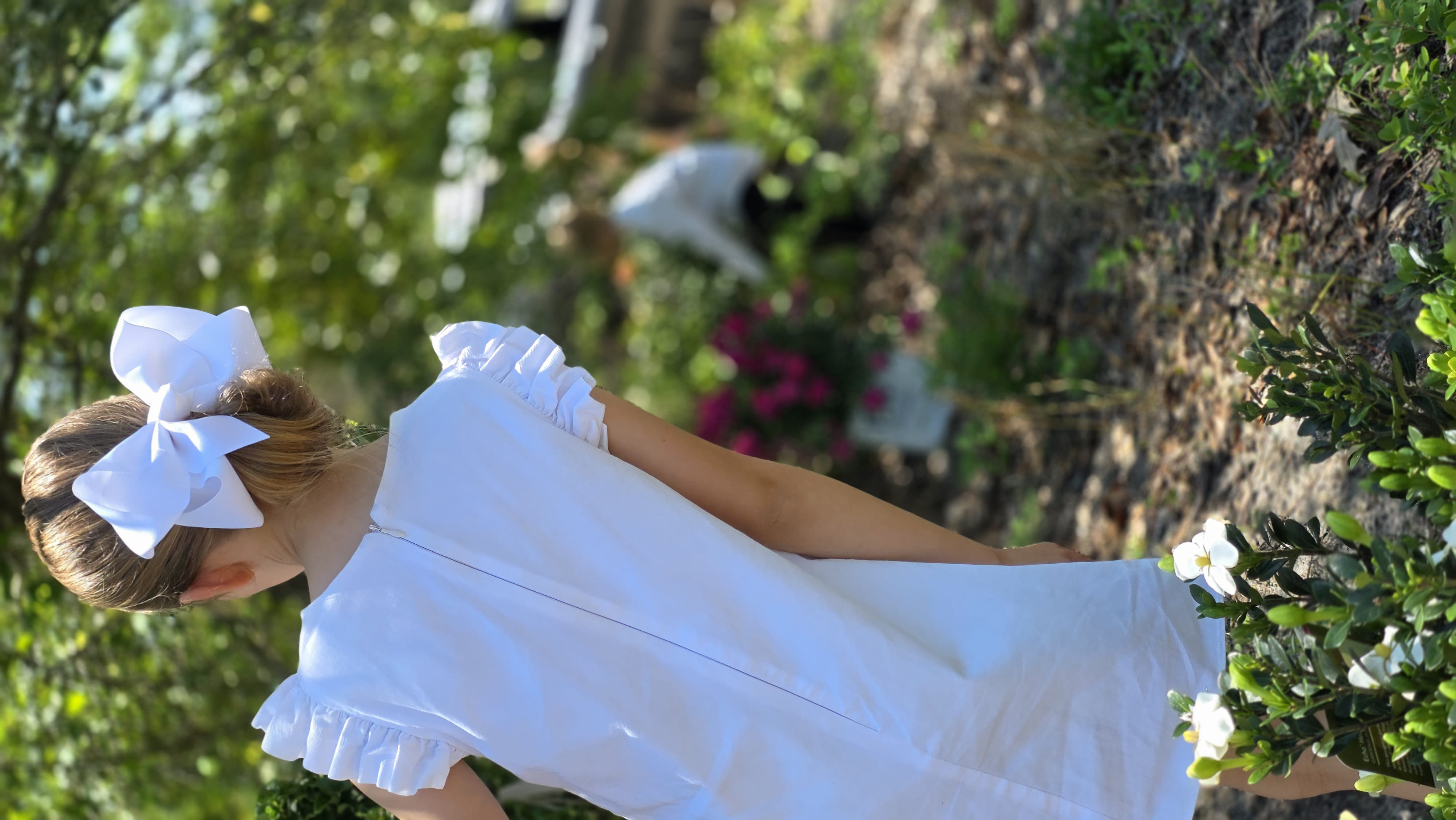
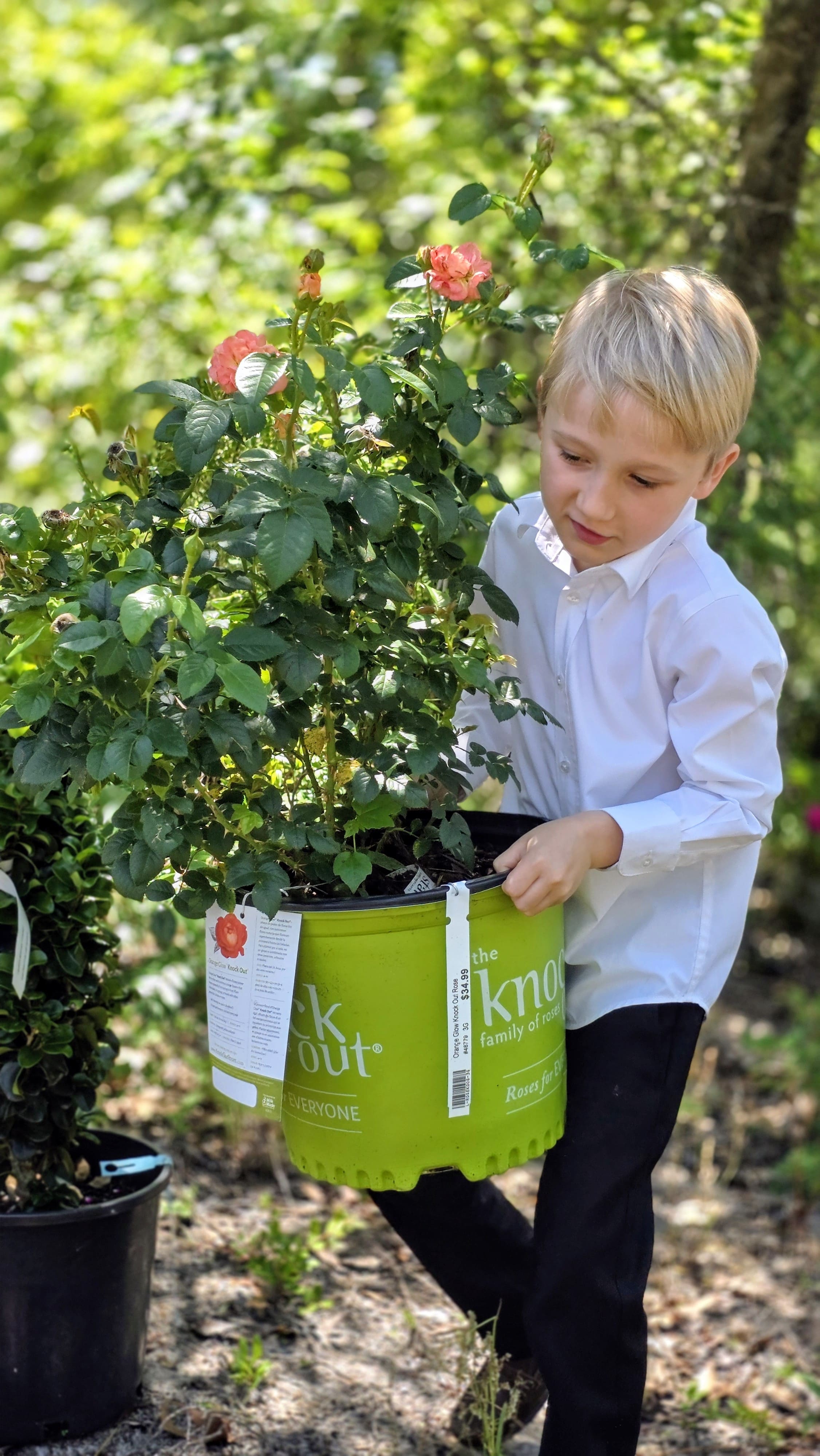
Families who grow a garden because they enjoy fresh food, appreciate hard work, and like putting a little extra food on the table also deserve more space in our stories.
Yet these families are everywhere. They are my neighbors, my friends, and the families I meet at co-op, church, piano lessons, golf practice, martial arts classes, and community events.
Many of them are living lives that are stable, productive, and deeply rewarding, but modern entertainment often gives those stories very little attention.
Ordinary Families Matter Too
This is not an argument against anyone else’s story being told. There is room for many different kinds of stories.
My concern is that some of the most common experiences in America have become surprisingly difficult to find in the stories our children consume.
Too often, entertainment gravitates toward extremes.
Writers often portray the homeschooling family as either a group of child prodigies or a group of socially isolated children.
The gardener becomes either an off-grid survivalist or a picture-perfect influencer.
The trade-school student becomes either someone who “couldn’t make it” academically or a character used to make a broader cultural point.
Entertainment often shows wealthy families as cold, controlling, corrupt, or disconnected from reality. It also frequently presents traditional families as outdated, naïve, or something that needs to be challenged.
Real life is rarely that simple.
Most families are simply trying to raise good children, pay their bills, care for aging parents, maintain healthy relationships, contribute to their communities, and build a good life.
Those stories are worth telling too.
I would love to see more ordinary success stories: the teenager who chooses community college because it is the wise financial decision, the young adult learning a trade, the grandparents helping with school pickups, the family working together in a garden on a Saturday morning, the siblings who genuinely enjoy one another’s company, and the married couple who still laugh together after twenty years.
These stories may not be flashy, but they are real. More importantly, they reflect the lives many families are actually living.
Childhood Does Not Need to Be Rushed
There is one more reason we choose media carefully in our home.
I do not believe entertainment should hurry childhood along.
Children have their entire lives to grow up. They will eventually learn about more complex relationships, adult problems, sarcasm, innuendo, and the realities of the world. There is no prize for introducing those things earlier than necessary.
Many children’s programs seem determined to push the envelope. Some use jokes clearly written for adults. Others add subtle disrespect toward parents, unnecessary angst, romantic storylines that feel out of place for young children, or humor built around behavior I would rather not encourage.
None of those things may seem significant on their own. Yet childhood is made up of thousands of small moments. Every story, every joke, every character, and every message contributes a little to the way children think about the world.
I would rather let my children enjoy childhood for as long as possible. They will have plenty of time for adult conversations when they are adults. We do not need to rush them there.
I want stories that celebrate curiosity, imagination, kindness, courage, responsibility, healthy families, meaningful work, and genuine childhood.
Children should not have to grow up before they are ready. In my view, one of the greatest gifts we can give them is the freedom to simply be children.
Being Intentional About Media
As parents, this can feel overwhelming. We are busy, tired, and sometimes we simply need thirty minutes to make dinner, answer emails, fold laundry, or catch our breath.
I understand that.
There have been seasons when a movie felt easier than another activity, and a television show bought me enough time to finish what needed to be done. I do not write this from a place of perfection. I write it as a reminder to myself.
Some families may see our approach as strict, and that is okay.
The truth is, my husband and I both watched plenty of movies and television shows as children that would not meet the standards we use in our home today. I enjoyed many of them, and I do not look back on my childhood with regret.
I also remember thinking that parents who chose media more carefully seemed overly strict or less fun.
As an adult, I see things differently. Some of the early exposure simply was not necessary. It did not make my childhood better. It did not help me grow. Much of it was just noise that shaped my sense of humor, my expectations, and my understanding of the world long before I could think critically about it.
One of my favorite sayings is, “When you know better, you do better.” I know more today than I did then, so now I am simply trying to do better for my own children. Not perfectly, but intentionally.
Every family has to make these decisions for themselves, and this is simply where our family has landed.
What Media Curation Looks Like in Our Home
Parents sometimes ask what this looks like in our own home.
The answer is not “no media.”
Our children do not have tablets, but they do have Yoto players. They listen to audiobooks, stories, music, and educational content regularly.
They do not have unrestricted access to YouTube, but we do use YouTube. Over the years, I have created playlists filled with content that is both educational and entertaining. History cartoons, educational channels, nature content, science videos, and other programs that teach while still holding a child’s attention have become favorites in our home.
We are not trying to remove every screen from childhood. We are simply trying to choose carefully what comes through those screens.
That same mindset affects other choices we make. We often pay extra for ad-free versions of platforms because we want to reduce the number of messages competing for our children’s attention. We use parental controls. We also pay attention to ratings, while remembering that a rating does not automatically make a program appropriate for every child.
We have learned that a PG rating does not automatically mean something is appropriate for our children. “Parental Guidance” means exactly that. Parents should decide whether a program fits their child.
One unexpected benefit of choosing media carefully is that our children have started developing discernment.
When they are looking for something to watch, they already know they are much more likely to get a yes from me if it is rated All, G, or TV-Y7. Those ratings do not make the decision for us, but they are a good place to start.
Over time, our children have started thinking that way too. Before they even ask, they will often consider whether something fits our family’s expectations.
That is the real goal.
I do not expect to curate every movie, show, or video they encounter for the rest of their lives. I want to help them develop discernment so that, as they grow older, they can make wise decisions even when I am not standing beside them.
For our family, this also connects to the broader question of how much digital entertainment we want to build into childhood. The point is not to make every child’s life look the same. The point is to think carefully about the habits, appetites, and expectations we are normalizing.
The goal is not perfection. The goal is intentionality.
The Examples Our Children Need
Children become what they repeatedly see. They learn what is normal, what is valuable, and what is worth pursuing.
I want my children to see courage, kindness, responsibility, faith, perseverance, self-discipline, strong families, meaningful work, and healthy relationships. Positive examples help children picture what a good life can look like, even though every family and every child will make different choices.
A loving marriage can encourage a child who has never seen one up close.
A close grandparent relationship can give a child a beautiful picture of intergenerational connection.
Brothers and sisters who support one another can help a child imagine a healthier sibling relationship.
Meaningful work can help a child respect tradespeople, makers, caregivers, business owners, teachers, and neighbors who contribute in quiet but important ways.
A family garden can show the satisfaction that comes from growing something with patience and care.
Positive examples do not take anything away from anyone. Seeing a healthy marriage does not diminish a child whose parents are divorced. Seeing a close relationship with a grandparent does not diminish a child who lives far from theirs. These examples simply remind us of what is possible.
If representation truly matters, then we should care about more than identities alone. We should also care about the values, relationships, responsibilities, and everyday examples that help families and communities thrive.
Children need to see not only who they can become, but also the kind of life they can build.
That kind of life grows through repeated patterns: family rhythms, work ethic, responsibility, creativity, service, connection, and meaningful contribution at home. It also grows when children build healthy confidence and practice real-life problem-solving in ordinary moments.
If representation matters, and I believe it does, then ordinary families, strong relationships, meaningful work, and healthy communities deserve a place in our stories too.
For families who want simple tools to support those everyday habits, the Here They Grow Etsy shop includes printable resources for routines, responsibility, learning, emotional awareness, and family connection. You can also find homeschool-friendly printables in the Here They Grow Teachers Pay Teachers store.
You May Also Like:
 The Difference Between “I’m Confused” and “This Doesn’t Make Sense”
 How Extracurriculars Can Support Homeschool Subjects and Learning
 Why We Chose Homeschooling
 What Healthy Confidence Actually Looks Like
 Why We Chose a Contribution-Focused Childhood
 Week 40 Family Challenge: Take a Siesta Every Day (5–30 Minutes)
 Why Parents Should Pay Attention to the Culture of Children’s Programs
 🌿 Weekly Wellness Challenge: The “Smile More” Challenge