The Difference Between “I’m Confused” and “This Doesn’t Make Sense”
Recently, while volunteering with a group of children, I noticed something that made me pause.
The children were working through a learning activity. Some understood it quickly. Some needed a little extra guidance. Some made mistakes along the way and corrected themselves. All of that is normal. Children learn at different speeds, and confusion is often part of the process.
But there was one moment that stood out to me. A child became confused, and then something shifted. The challenge was no longer simply something to work through. Instead, the child seemed to stop engaging with it altogether.
The words changed too.
Instead of saying, “I’m confused,” the child kept saying things like, “This doesn’t make sense” and “I don’t know how.”
At first, those phrases may sound harmless. In many cases, they are. Sometimes children really are confused. Sometimes directions really are unclear. Sometimes an adult needs to slow down, explain something differently, or offer more support.
But sometimes, “This doesn’t make sense” becomes something else. It becomes a way of stepping away from the challenge instead of working through it.
Confusion Is Not Failure
Confusion is a normal part of learning. Not understanding something right away is normal. Needing help is normal. Making mistakes along the way is normal.
But there is a significant difference between saying, “I don’t understand this yet,” and deciding, “I can’t do this.” One leaves the door open. The other closes it.
Children encounter challenges every day. Sometimes the challenge is academic. Sometimes it is social. Sometimes it is physical. Regardless of the situation, there is often a moment when they have to decide whether they are willing to stay engaged through the discomfort of not knowing.
That discomfort is often where growth begins.
As parents, we cannot remove every hard thing from our children’s lives. We should not want to. Our job is not to make sure they never struggle. Our job is to help them know what to do when they do struggle. That kind of steady growth is closely connected to the kind of confidence that is friendly, kind, and brave.
The Language Children Use Matters
What stood out to me was not simply that the child was confused. What stood out to me was the language being used.
When a child says, “I’m confused,” they are acknowledging where they are in the learning process. They are recognizing that there is something they do not yet understand. The problem is temporary, and the door is still open.
When a child repeatedly says, “This doesn’t make sense,” the focus can begin to shift away from their own understanding and onto the task itself.
The directions don’t make sense. The lesson doesn’t make sense. The activity doesn’t make sense.
The problem is not me. The problem is the thing.
Of course, sometimes the child is right. Sometimes instructions are unclear. Sometimes an activity needs to be explained in a different way. Children should feel free to say when they need help.
But sometimes that language becomes a shield against the uncomfortable feeling of struggling. That is one reason I care so much about language in our homeschool, not only as an academic skill, but as a way of helping children communicate what they actually need.
When Children Protect Themselves From Struggle
Sometimes children do not simply stop trying. Sometimes they begin explaining why the challenge itself is the problem.
This does not usually come from laziness or bad character. Often, it comes from discomfort. It is hard to feel confused. It is hard to be a beginner. It is hard to sit in that space where everyone else seems to understand and you do not.
So a child may protect themselves by stepping away from ownership.
Instead of saying, “I need help understanding this,” they say, “This doesn’t make sense.” Instead of saying, “Can you show me the first step?” they say, “I don’t know how.” Instead of staying engaged, they shut down.
Adults do this too. We blame timing, systems, circumstances, technology, instructions, or other people. Sometimes those things really are part of the problem. But sometimes they become a convenient place to put the discomfort we do not want to carry.
Children need help learning the difference.
They need to know that confusion is not shameful. They also need to know that confusion does not excuse them from trying.
Helping Children Stay Engaged
As parents, we can pay attention to these moments in our children.
When a child regularly withdraws from a challenge before fully engaging with it, insists that something “doesn’t make sense” instead of asking for help, or quickly shifts responsibility away from themselves, it may be a sign that they need support developing perseverance, humility, or confidence in the learning process.
This is not about shaming a child. It is not about expecting perfection. It is about noticing a pattern and lovingly helping them grow.
None of us would ignore a leaky faucet, a broken step, or another issue around our home and hope it somehow fixes itself. We address it because we know small problems often become larger problems when left unattended. Character traits work much the same way.
When we notice habits that may hinder our children later in life, our role is not to become frustrated with them. Our role is to help them build the skills they need. These ordinary moments can become the training ground for warmth, humility, patience, and steady growth.
What We Can Teach Instead
We can gently teach our children to use more helpful language when they are struggling.
Instead of “This doesn’t make sense,” we can help them say, “I don’t understand this yet.”
Instead of “I can’t do it,” we can help them say, “Can you show me the first step?”
Instead of shutting down, we can encourage them to stay engaged long enough to try again.
These may seem like small shifts, but they matter. The children who become lifelong learners are not always the children who understand everything the fastest. Often, they are the children who learn how to remain curious when they do not understand something right away.
They learn to see confusion as information rather than failure. They learn to ask better questions. They learn to keep going.
The Goal Is Growth
As parents, we are not trying to raise children who never struggle. We are trying to raise children who know what to do when they struggle.
That means helping them understand that confusion is not the enemy. Confusion is often the beginning of learning.
When a child says, “I don’t understand,” we can help them keep moving forward. When a child says, “I can’t,” we can gently remind them that those are not the same thing.
The goal is not perfection. The goal is progress.
Often, the small moments we notice in childhood become opportunities to build skills that will serve our children for the rest of their lives. Those skills also shape family culture, emotional security, and the kind of closeness that lasts.
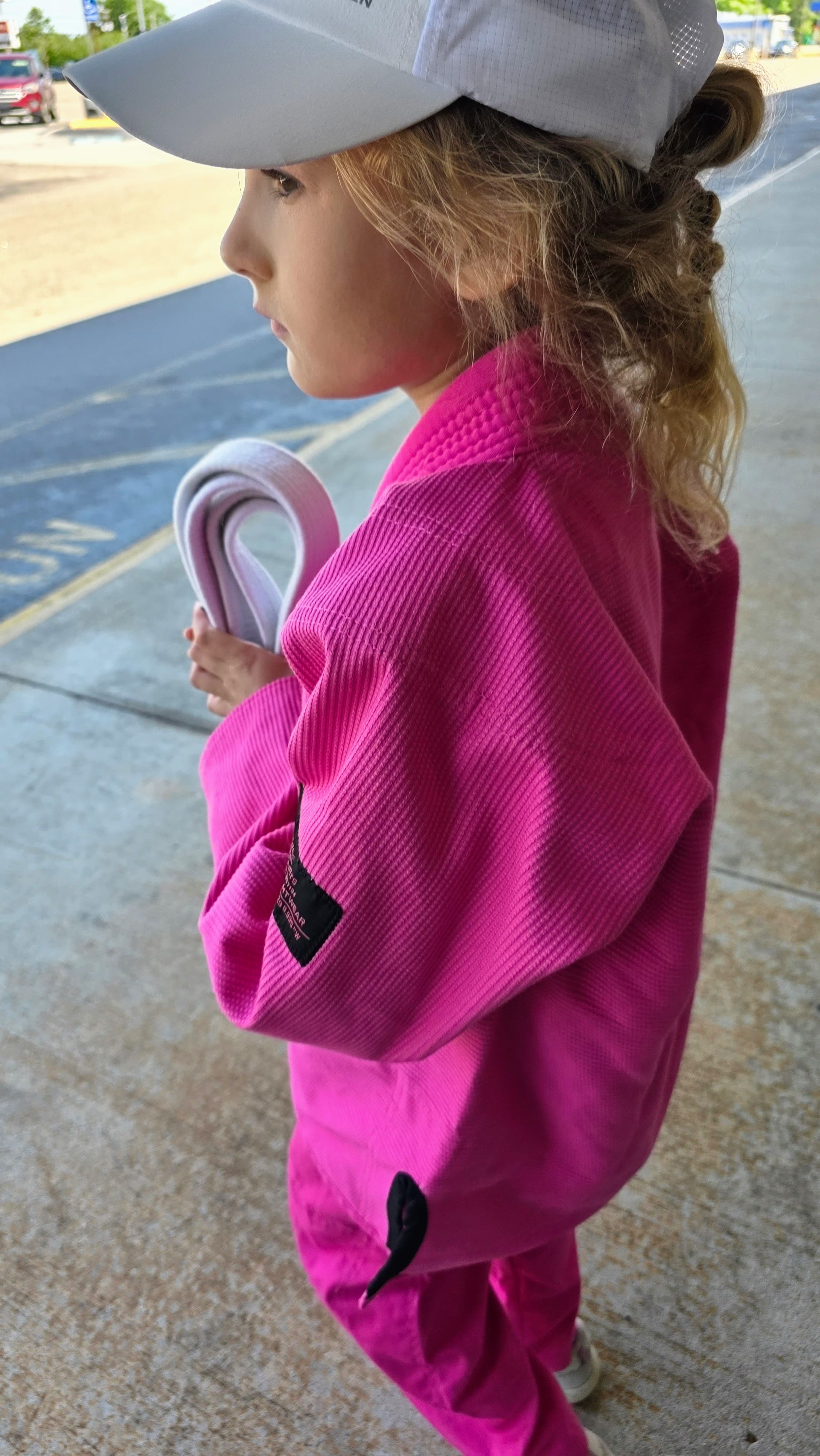
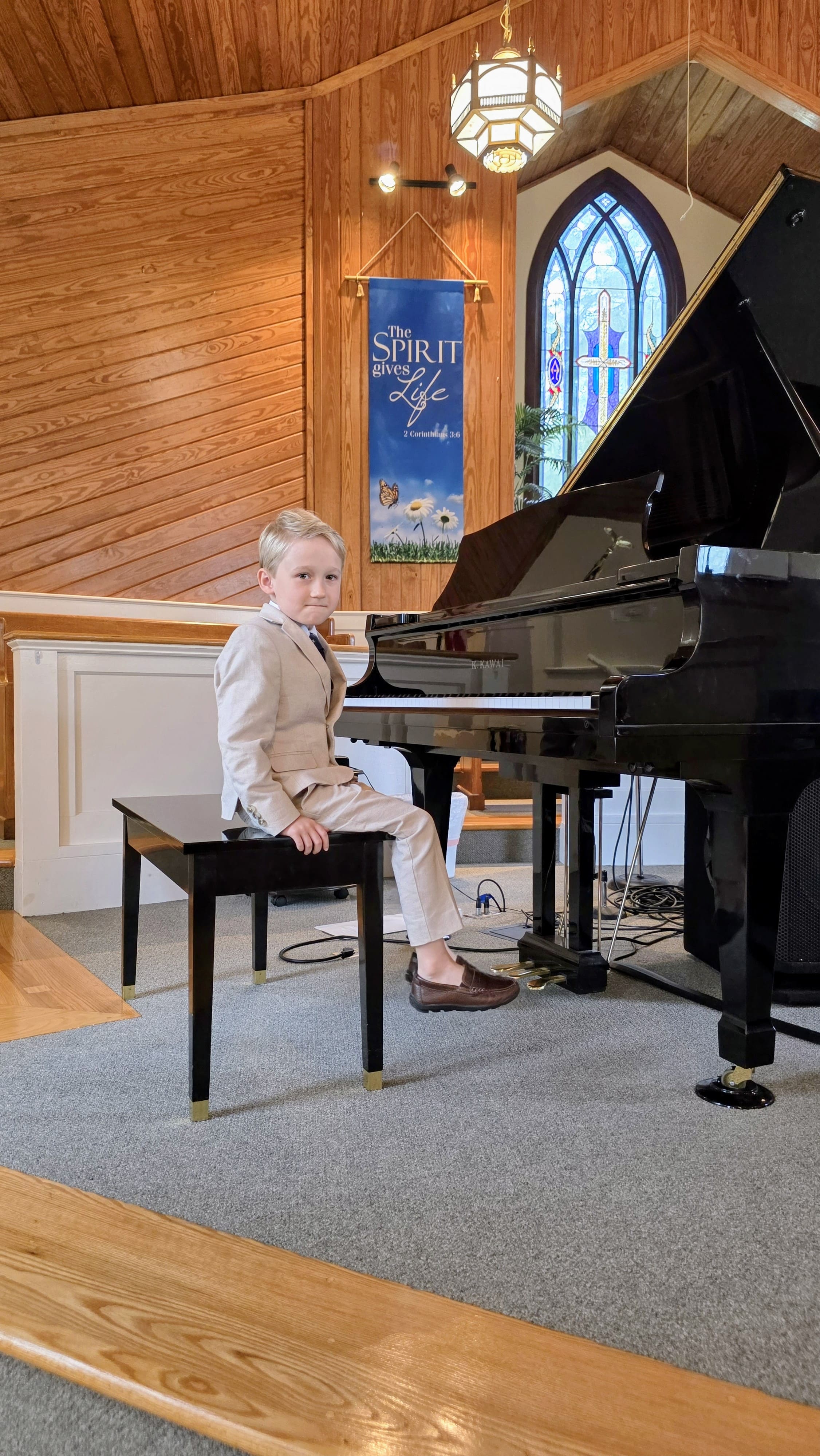
That is one reason activities outside the home can be so valuable too. Whether it is music, sports, practical chores, or something physically challenging like Jiu-Jitsu for kids, children often grow when they are given safe places to practice effort, humility, and perseverance.
You May Also Like:
 The Amazing Parenting Odyssey: Heartfelt Tips for Every Step
 Why I’m Actually Looking Forward to the Teen Years
 Why We Chose Homeschooling
 How Extracurriculars Can Support Homeschool Subjects and Learning
 What Healthy Confidence Actually Looks Like
 Why We Chose a Contribution-Focused Childhood
 🌿 Weekly Wellness Challenge: The “Smile More” Challenge
 Week 39 Family Challenge: 3 Minutes of Stretching (Every Day)