Why I’m Actually Looking Forward to the Teen Years
Enjoying the teen years may sound unusual in a culture that often teaches parents to dread adolescence, but I have never wanted to think of the teenage years as something to simply survive.
Every stage of childhood seems to come with a warning.
When you have a newborn, people tell you to wait until they’re mobile. When they’re toddlers, people tell you to wait until they’re three. When they’re three, people tell you to wait until they’re teenagers.
Somewhere along the way, many parents begin speaking about the teenage years as though they’re something to endure rather than enjoy.
Daniel, David, Esther, and Mary were all likely teenagers when they stepped into extraordinary responsibilities. Scripture gives us many examples of young people being entrusted with serious callings, including Daniel and his friends in Daniel 1.
Yet today, many parents are told to expect very little from teenagers other than attitude, rebellion, and poor decisions.
That contrast has always fascinated me.
I don’t believe the teen years have to be something we dread. Personally, I look forward to them.
Approach the Teen Years With More Hope
Download the Enjoying the Teen Years Reflection Guide, a simple printable resource to help you think through the kind of relationship, responsibility, and family culture you want to build before adolescence arrives.
- Reflect on the messages you have absorbed about the teen years.
- Notice the strengths already emerging in your child.
- Think through responsibility, connection, and family culture.
- Approach adolescence with more anticipation and less fear.
Get the Free Guide
Enter your name and email, and we will send the reflection guide to your inbox.
You will receive the free guide and occasional Here They Grow updates. You can unsubscribe anytime.
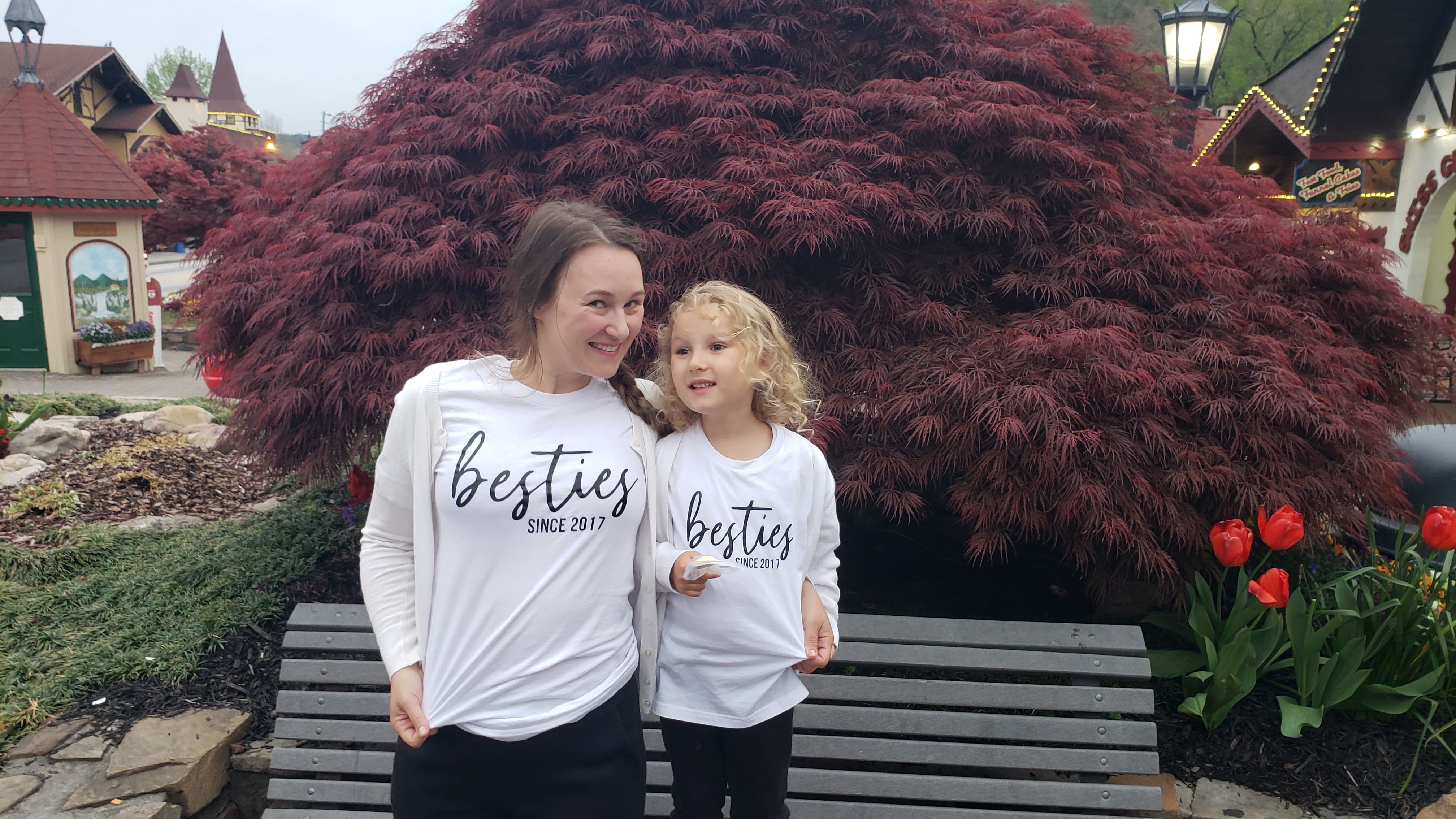
I look at Claire and Peter and can already see so much of who they are. Claire can become deeply invested in something she cares about. Peter can be surprisingly determined when he sets his mind to something. Sometimes those traits create challenges. More often, though, I see glimpses of the adults they may become.
And that’s exciting.
I don’t expect my children to wake up one morning at thirteen and suddenly become difficult. I expect them to continue becoming more of who they already are. Hopefully wiser. More mature. More capable. But still themselves.
The teen years do not have to be approached as a season to survive. They can be approached as a season of deeper connection, growing responsibility, and meaningful formation.
Enjoying the Teen Years Starts With Respect
One thing I’ve noticed is that our culture often treats teenagers like oversized children. We expect very little from them while simultaneously criticizing them for not acting like adults.
That seems unfair.
Historically, young people carried significant responsibility. They worked. They served their families. They learned trades. They cared for younger siblings. They contributed to their communities.
I’m not suggesting we rush childhood. Anyone who reads this blog knows how fiercely I protect childhood. I still believe deeply in the joy of childhood and the importance of letting children be children.
I want children to climb trees, catch frogs, play board games, build forts, splash in creeks, read good books, learn new skills, and enjoy being young.
At the same time, I think children are capable of more than we sometimes realize. Teenagers, especially, deserve our respect.
Not because they know everything. Not because they never make mistakes. But because they are becoming young adults.
They’re learning how to work, how to treat people, how to handle responsibility, and what kind of adults they want to become. That is one reason I care so much about raising children in a contribution-focused childhood, where they are invited to participate meaningfully in real life.
Choosing Anticipation Over Fear
When I think about the future, I don’t picture constant conflict.
I picture conversations. I picture hearing their ideas. I picture seeing interests deepen into passions. I picture watching them become more independent while still wanting to spend time with their family.
Most of all, I picture getting to know them in new ways.
Maybe that’s because my own mother became one of my best friends. Maybe it’s because I’ve met wonderful teenagers through our church, homeschool groups, martial arts classes, and friendships over the years. Maybe it’s because I refuse to believe that an entire stage of childhood is destined to be miserable.
Will there be challenges? Of course.
There are challenges when they’re toddlers. There are challenges when they’re elementary-aged. There will be challenges when they’re teenagers.
But there will be joy too.
A Gentle Reflection for Parents
Instead of asking only what could go wrong in the teen years, parents can also ask what might deepen, mature, and become more beautiful. What conversations might open up? What interests might grow? What responsibilities might become possible? What kind of young adult is already beginning to emerge?

Enjoying the Teen Years Means Believing in Who They Are Becoming
Perhaps one of the greatest gifts we can give our children is believing in them before they’ve fully grown into themselves.
We can believe they are capable. We can trust that they can grow in responsibility. We can expect them to make good decisions while still guiding them when they need help. We can encourage them to become thoughtful, dependable, and kind.
Of course, that kind of maturity does not appear out of nowhere. Children grow into responsibility through everyday practice, steady encouragement, and real-life opportunities. That is why teaching children to problem-solve matters so much in family life and homeschooling.
It is also why I believe in helping children build a quiet, grounded kind of confidence. Not the performative kind. Not the loud kind. The kind of confidence that helps them participate in life, handle discomfort, and treat people with warmth. I wrote more about that in What Healthy Confidence Actually Looks Like.
How Family Culture Shapes the Teen Years
As children grow, their activities, responsibilities, and interests can become part of their formation. Things like music, sports, church groups, homeschool groups, and practical skills can all help children discover what they enjoy and learn how to show up consistently. This is one reason I appreciate the role of extracurricular activities in homeschool life.
I also think work ethic matters deeply. Not in a harsh or joyless way, but in a steady, life-giving way. Helping children learn effort, perseverance, and responsibility while they are young can shape how they approach adulthood later. I have reflected more on that in Nurturing Work Ethic in Our Kids.
This is why enjoying the teen years is not about pretending everything will be easy. It is about refusing to approach an entire season of parenting with fear before it even arrives.
What strengths do I already see in my child?
What responsibilities can I slowly invite before the teen years?
What kind of relationship do I hope to have with my teenager?
How can our family culture support connection, maturity, and confidence?
So when people tell me to dread the teenage years, I smile politely.
Then I go back to enjoying the children I have today and looking forward to the young adults they’re becoming tomorrow.
If you enjoy reflections like this, you can find more thoughts on childhood, homeschooling, family relationships, and intentional parenting in the Parenting section of Here They Grow.
With love,
Ashley @ Here They Grow
Approach the Teen Years With More Hope
Download the Enjoying the Teen Years Reflection Guide, a simple printable resource to help you think through the kind of relationship, responsibility, and family culture you want to build before adolescence arrives.
- Reflect on the messages you have absorbed about the teen years.
- Notice the strengths already emerging in your child.
- Think through responsibility, connection, and family culture.
- Approach adolescence with more anticipation and less fear.
Get the Free Guide
Enter your name and email, and we will send the reflection guide to your inbox.
You will receive the free guide and occasional Here They Grow updates. You can unsubscribe anytime.
Looking Ahead to the Teen Years
I don’t expect the teen years to be perfect, but I do look forward to seeing Claire and Peter grow in independence, responsibility, interests, and their relationship with our family.
What are you most looking forward to about having teenagers?
One of the biggest things is how much easier travel may become as Claire and Peter grow more independent. I look forward to them packing their own bags, taking on more responsibility during trips, and getting more involved in hobbies we can enjoy together, like photography and cooking.
What do you expect will be difficult about the teen years?
Their growing independence will probably be hard for me. I know I will worry as they start doing more without us and making more of their own decisions. I also know they may not snuggle me as often as they do now, and I will miss that.
How are you building a relationship now that you hope will stay close through the teen years?
We are open with each other, comfortable together, and genuinely enjoy each other’s company. In that sense, Claire and Peter are not only our children but also dear friends. We try to be generous with our time and attention and to take their interests seriously. We hope that, as they grow older, they will still want to share their own time and talents with our family.
You May Also Like:
 How We Celebrate October as a Family Before the Holiday Rush
 When Childhood Connections Turn into Something More
 Week 29 Challenge: Play The Thank You Game Every Single Day
 Camp Made Me Realize Something About Public School Moms (and Myself)
 Weekly Challenge #31: Say “Thank You” at Least Three Times a Day
 Creating a Cozy, Faith-Filled Christmas at Home: Traditions That Help Our Family Slow Down
 Why We’re Beginning Latin in Our Homeschool
 Why We Leave Our Shoes at the Door: A Simple Family Routine That Works