Why We Chose Homeschooling
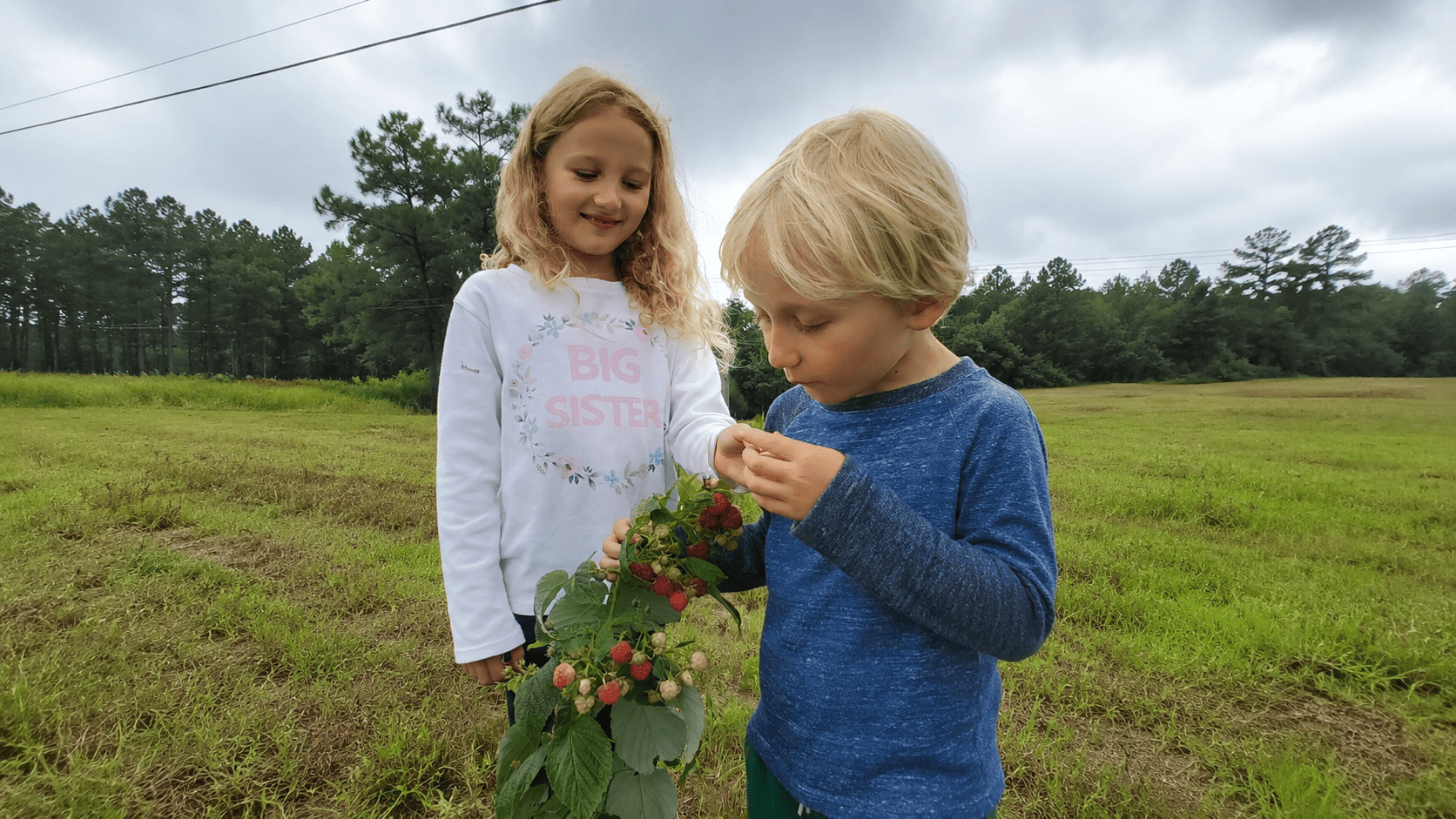
Life has a way of reminding us that childhood doesn’t last forever.
Tomorrow they’ll be a little older than they are today.
The years pass. The seasons change. Childhood moves forward whether we’re ready or not.
The Simple Reason We Homeschool
While all of that is true, it isn’t really the reason we homeschool.
When people ask why we homeschool, they often assume the answer has something to do with academics, curriculum choices, flexibility, or educational philosophy. Those things matter, of course. However, when I think about why we homeschool, my mind goes somewhere much simpler.
I like my children.
I enjoy being around them.
More than that, I enjoy hearing what they’re thinking about.
It matters to me when Peter explains something he’s excited about.
I love watching Claire become completely absorbed in a project, a book, or an idea.
Even the simple parts of the day matter to me, like eating lunch together or having conversations in the car.
Most of all, I enjoy seeing who they are becoming.
That doesn’t mean every day is wonderful.
Some days, I spend too much time on my phone. Other days, work gets more attention than it should. Dinner burns. We run late. The clothes don’t get ironed. The house gets messy. I lose my patience, and sometimes the kids lose theirs too. In addition, there are plenty of days when school takes longer than I planned or doesn’t go the way I hoped.
Still, we are not a perfect homeschool family because there is no such thing.
We’re just a family trying to love each other well while living a full and sometimes messy life.
So when people ask why we homeschool, the answer isn’t that every day is magical.
The answer is that homeschooling allows us to do more life together.
We learn together, travel together, attend camps together, and move through ordinary routines together. We go to golf lessons, piano lessons, Spanish classes, church events, and jiu-jitsu classes. We run errands, work through problems, and figure things out as a family.
In other words, we simply share more of life.
That matters to me.
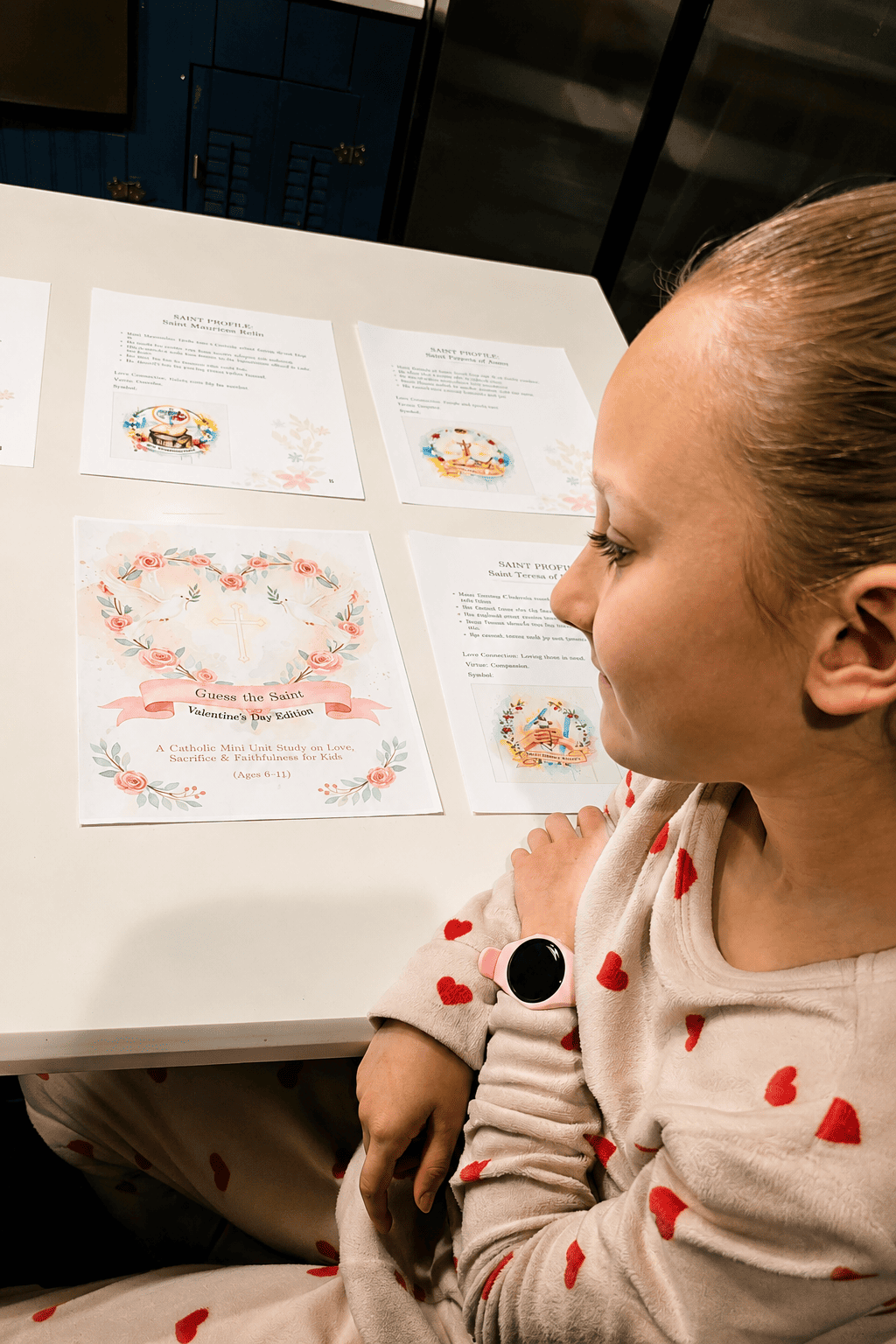
Homeschooling and Responsibility
Another piece of this, if I’m being completely honest, is responsibility.
Claire and Peter are our children, and raising them is one of the most important things we’ll ever do.
We are grateful for the many wonderful people who pour into their lives. Their grandparents, friends, coaches, church staff, volunteers, teachers, and mentors all contribute something valuable.
At the end of the day, the responsibility rests with us.
As their parents, we are called to teach them and guide them. We also need to help them learn how to treat people, how to work hard, how to handle responsibility, and how to care for others.
I’ve always felt that children are both a gift and a responsibility.
This connects closely with why we have chosen a more contribution-focused childhood in our home. We want Claire and Peter to understand that family life is not something they simply watch from the sidelines. Instead, it is something they participate in, help with, and slowly learn to carry with maturity.
We only get one shot at raising Claire and Peter, and that feels pretty important to me.
Because we have the opportunity to spend so much time with them, we choose to embrace that responsibility as fully as we can. We certainly don’t do it perfectly, and we make plenty of mistakes. Even so, we try to do it intentionally.
Children are both a gift and a responsibility, and homeschooling gives us more time to live that responsibility with intention.
Homeschooling Lets Us Share Real Life
One thing I’ve noticed is that many people talk about childhood as though it’s preparation for real life.
I don’t see it that way.
This is real life.
The books, the camps, the conversations, the piano practice, the golf lessons, the family dinners, the road trips, the church events, the laughter, the tears, and the ordinary Tuesday afternoons all matter.
That is one of the reasons our homeschool rhythm includes more than books alone. Our extracurricular activities are not just extras. They are part of the way our children practice discipline, confidence, communication, responsibility, and real-world participation. I shared more about that in How Extracurriculars Can Support Homeschool Subjects and Learning.
Homeschooling Happens in Ordinary Moments Too
These shared experiences help show why homeschooling is not only about lessons at a table. It is also about time, conversation, relationship, and the everyday life we get to share.
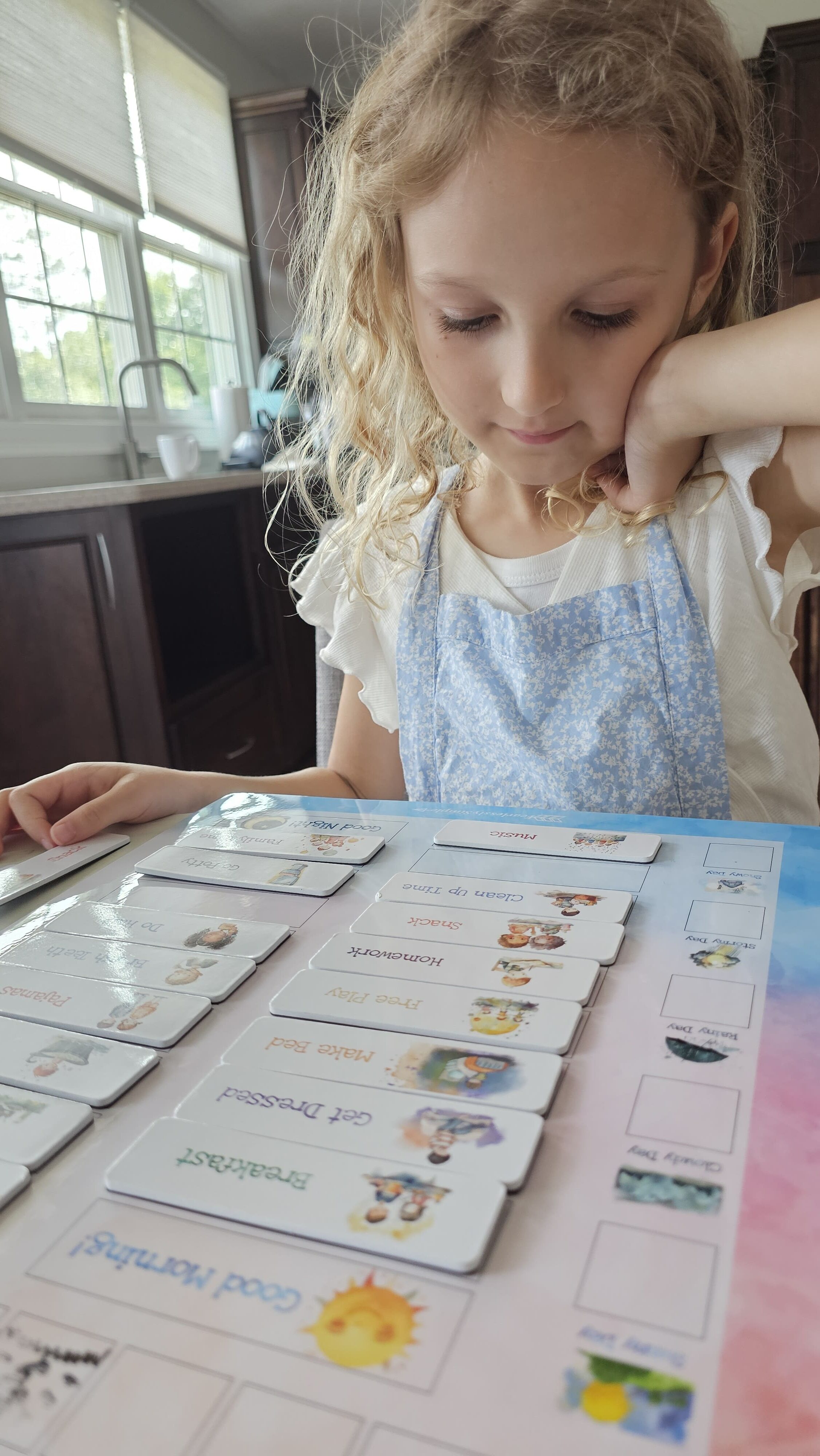
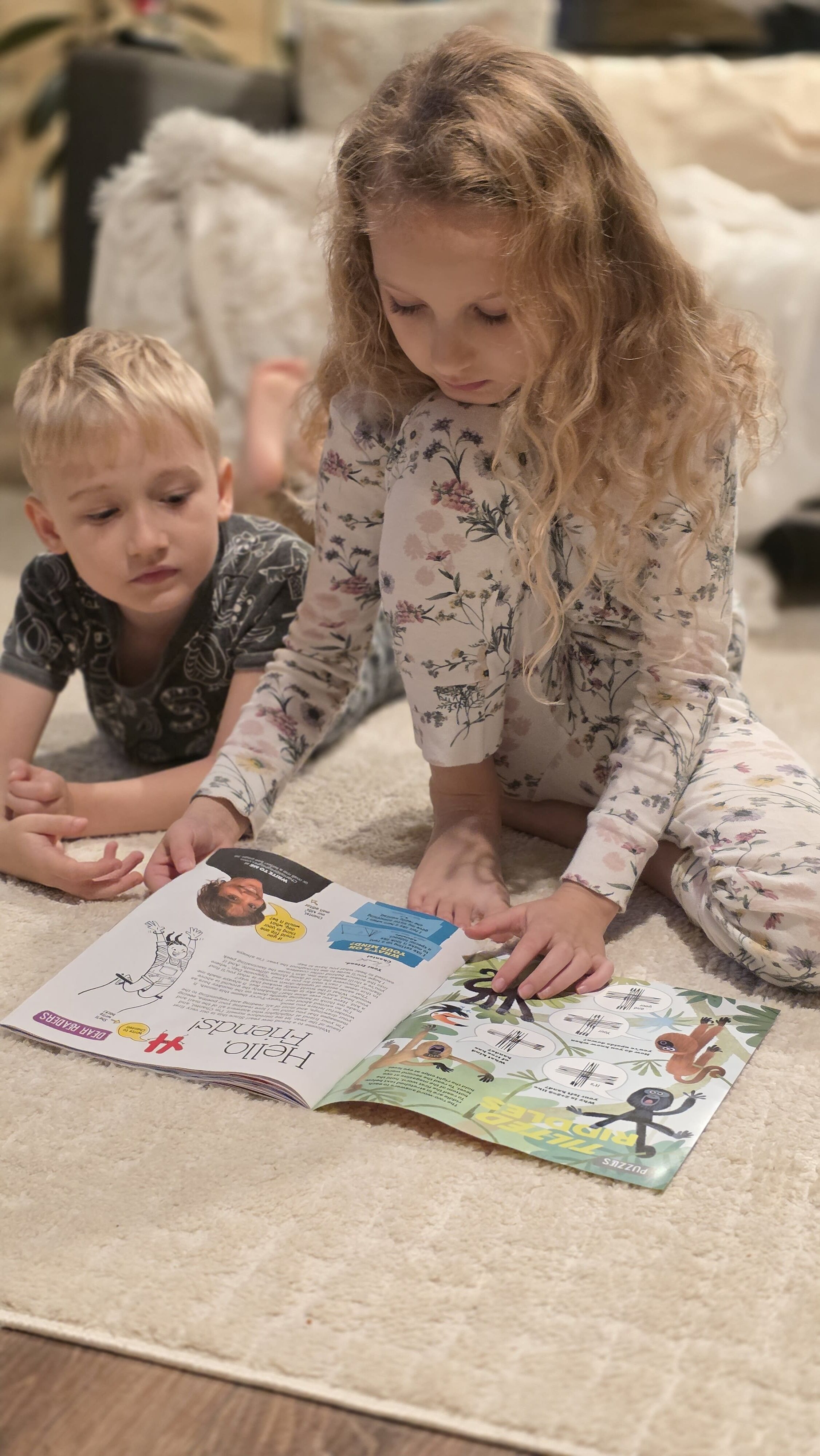
This is the life we’ll remember.
Life has a way of moving faster than we expect. Thankfully, knowing that doesn’t make me anxious, and it doesn’t make me want to hold on tighter. Instead, it simply reminds me to appreciate the season we’re in.
Right now, Claire and Peter are home.
Today, we get to learn together, eat lunch together, run errands together, and share life together.
Tomorrow will look different.
That’s all the more reason to appreciate today.
Building Family Relationships Over Time
Another thing I’ve thought about over the years is that relationships are built through time.
If I hope Claire and Peter will enjoy spending time with us when they’re twenty-five, thirty-five, or forty-five, it probably helps if spending time together is a normal part of life when they’re children.
We aren’t trying to cling to them or prevent them from growing up.
Quite the opposite. I hope they become independent, capable adults. I hope they pursue big dreams and build beautiful lives of their own.
At the same time, I hope family remains a place they enjoy returning to.
Maybe that will look like coming over for dinner. Maybe it will look like picking up the phone to call. Hopefully, it will also look like still enjoying time together long after these childhood years are over.
That kind of connection is built slowly. It grows through repeated moments, honest conversations, shared responsibility, and a home culture that values presence. It reminds me of the same kind of steady growth I wrote about in What Healthy Confidence Actually Looks Like. Many of the best things in childhood are not built all at once. They are practiced again and again through ordinary life.
The best way I know to build that kind of relationship is by sharing a lot of ordinary life together now.
Why We Chose Homeschooling
I’m not trying to create a perfect childhood for Claire and Peter.
Nor am I trying to manufacture memories.
I certainly don’t think homeschooling is the only way to raise wonderful children.
For us, it is simply the path that allows our family to spend more of our days learning, growing, and living life together.
Homeschooling also gives us more opportunities to practice real-life problem solving. Some of those lessons happen during schoolwork, but many happen in grocery stores, car rides, travel days, chores, and the unexpected challenges that come with family life. I shared more about that in Homeschooling Problem-Solving: Nurturing Resilient, Confident Kids.
When I picture the end of my life someday, I don’t think I’ll wish I had answered one more email, spent more time staring at my phone, or squeezed one more meeting into the calendar.
I think I’ll be grateful for the years I spent doing life alongside the people I love most.
That’s the heart of why we homeschool.
We certainly aren’t perfect. Every day isn’t easy, and every lesson doesn’t go according to plan.
We homeschool because we enjoy being together.
For our family, homeschooling gives us more opportunities to do exactly that.
FAQ: Why We Homeschool
Did you always plan to homeschool?
Before we were married, Kevin and I talked in depth about our own schooling experiences and what we wanted for our children. We decided they would either attend a private school, such as a Catholic school, or be homeschooled. We hadn’t settled on homeschooling yet, but it was something we were both considering from the beginning.
What made you choose homeschooling over sending them to school?
At first, I looked up the laws on when a child actually has to start school. Claire and Peter seemed so little, and I wasn’t eager to send them any earlier than we needed to. I just didn’t feel good about sending them away from home at that age.
As the decision got closer, it never felt like the right time. We love them, we like them, and we adore them. We decided to restructure our lives and schedules around having children.
We also want our children to grow up understanding that family members care for one another throughout life. Right now, we serve them in the many ways young children need. If we need help during illness or old age someday, we hope they will recognize those needs and be willing to adjust their lives too. Honoring your mother and father includes caring about their needs as they grow older. That is something we want to teach through the way we care for each other now.
How many hours a day does homeschooling take?
The 2026–27 school year is our first using Seton Home Study School, and it is much more rigorous than anything we’ve used before. Homeschooling is taking longer than it ever has, but we really like it.
Right now, Peter’s first-grade work takes about an hour and 15 minutes a day, and Claire’s fourth-grade work takes about three hours. We wish Claire’s day were a little shorter, but the work is worthwhile, enjoyable, and interesting. That time includes reading history pages and short stories.
How do you fit homeschooling around everything else?
We try to set aside a dedicated block each day for school. Depending on what else we have going on, it might be a morning block or a midday block. Worst case, it’s an evening block.
The children know that the other things we choose or need to do as a family matter too. Education matters, so sometimes we have to adjust when we do things to make room for it all.
Does Dad help with homeschooling?
Yes. Kevin is very involved. He does a great deal for our family, well beyond homeschooling, and the children and I see him as an excellent example of what serving your family looks like.
I take Claire to her in-person Latin class, and he helps her with the homework. He also helps with chess, attends co-op with us, and steps in when I flag pages where I think the children would benefit from another explanation, or from his explanation specifically.
Recently, Claire was working on expanded notation in math, and between the book and me, she was still struggling with the concept. I flagged the pages, and when Kevin was available, they spent about 30 minutes working through it together. That was the extra boost she needed.
Kevin also often takes the children to piano. I don’t play, but he has learned alongside them and can help them practice for their recitals. Taking them to lessons helps him keep up with what they’re learning. Their lessons are back to back, so I send along a book one child can work on while the other has a lesson, such as handwriting, spelling, or phonics.
Does he ever grumble about our schedule? Yes. There are jokes, and there is some grumbling. We’re a loving family, but we’re also quite opinionated and rowdy.
What makes homeschooling manageable for you?
I think being organized and being good at keeping a routine both help. If neither of those is your strength, tenacity goes a long way. I’ll leave you to guess which one applies to me!
I also think the early years, roughly pre-K through third grade, can be some of the most demanding for parents. Once children can read the instructions on a page themselves, they can do more without you sitting beside them through every step. They still need teaching and help, of course, but that growing independence makes a difference.
Do you ever need a break from being together?
Yes. But I’m not looking for six to eight hours apart every day. Six to eight hours at Grandma’s usually does the trick.
I know not everyone has that support nearby. Summer day camps are another option we enjoy. Our children love them and usually attend a couple each summer. Kevin and I use some of that time for family meetings or to work on projects together.
We also trade off taking the children to activities. On one regular day each week, Kevin takes them to two lessons, which gives me a nice stretch of time at home alone. We enjoy having the children home, and we appreciate a little time to ourselves too.
With love,
Ashley @ Here They Grow
You May Also Like:
 How We Celebrate October as a Family Before the Holiday Rush
 Week 25: Embracing the Outdoors – A Family Nature Challenge for Quality Family Time
 Why We’re Beginning Latin in Our Homeschool
 Camp Made Me Realize Something About Public School Moms (and Myself)
 Why We Leave Our Shoes at the Door: A Simple Family Routine That Works
 Weekly Wellness Challenge: One-Foot Balance
 Weekly Challenge #31: Say “Thank You” at Least Three Times a Day
 The Best-Friend Lens: A Simple Tool for Purposeful, Family-Centered Parenting