How Extracurriculars Can Support Homeschool Subjects and Learning
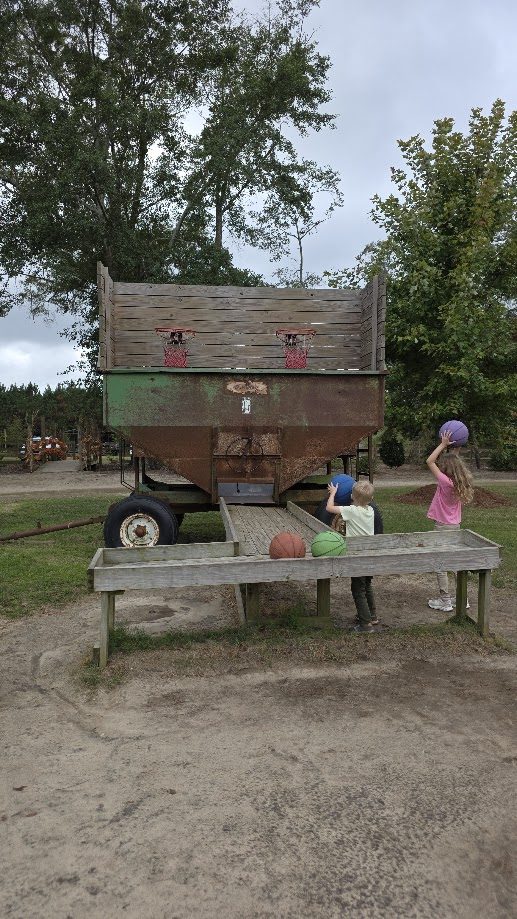
One thing I did not fully understand when we first started homeschooling was just how much learning happens outside of a textbook.
Extracurriculars are not just “extras” in our family. As I shared in Benefits & Strategies of Extracurricular Activities for Homeschoolers, they are part of the rhythm of our homeschool. They build discipline, confidence, friendships, creativity, practical life skills, and exposure to subjects that children may not otherwise encounter naturally.
They also support many homeschool subject areas.
Before I continue, I do want to include a gentle disclaimer for newer homeschool families. In many states, homeschool families generally track subjects and credits individually, and one course or activity is typically counted toward one primary subject area on a transcript rather than “double counting” one activity for multiple credits.
That said, many extracurriculars naturally overlap several educational areas. Even if you only formally count an activity toward one category, it may still strengthen multiple skills at the same time.
For example, guitar lessons could support:
- Music theory
- Fine arts
- Performance skills
- Listening comprehension
- Memorization
- Hand coordination
- Discipline and practice habits
That does not necessarily mean you would award multiple credits for the same class. It simply means learning is often interconnected.
Our Family’s Current Extracurricular Activities
Peter currently takes:
- Karate
- Taekwondo
- Jujitsu
- Piano
- Golf
- Chess Club
- ASL
- CCD at church
- Two weeks of swimming lessons each summer
Claire currently takes:
- Jujitsu
- Piano
- Art
- American Heritage Girls
- Guitar
- Ballet
- Golf
- Chess Club
- ASL
- Spanish
- CCD at church
- Two weeks of swimming lessons each summer
And before anyone says Claire has more extracurriculars than Peter, rest assured there are a few things to consider there.
First, some activities require much larger time commitments than others.
Second, Peter is younger than Claire.
For example, he has not started guitar lessons yet, but likely will in the future.
Homeschooling allows room for seasons. Children do not all need to do the exact same things at the exact same ages.
How Extracurriculars Can Support Core Homeschool Subjects
Martial Arts
Karate, taekwondo, and jujitsu can support or supplement:
- Physical education
- Health and wellness
- Self-defense
- Character development
- Focus and discipline
- Goal setting
- Respect for authority
- Coordination and body awareness
- Anatomy and body movement
- Sports psychology concepts
- Cultural studies and world geography through learning about the origins of various martial arts
- Travel skills and trip planning
- Budgeting and financial discussions surrounding tournaments and gear
- Time management and scheduling
We especially love that martial arts often place children around a wide age range of students and instructors. Kids learn how to listen, adapt, persevere, and carry themselves respectfully. This connects so naturally with the kind of resilience and independence I wrote about in Homeschooling Problem-Solving: Nurturing Resilient, Confident Kids.
Competitive martial arts can also introduce children to practical life skills through tournament preparation, travel planning, scheduling, budgeting discussions, and event coordination.
Piano and Guitar
Music lessons can support or supplement:
- Fine arts
- Music theory
- Music appreciation
- Memorization skills
- Auditory processing
- Performance confidence
- Hand-eye coordination
- Pattern recognition
- Fractions and mathematical rhythm concepts
- History through composers and musical periods
- Foreign language pronunciation and listening skills
Music also teaches delayed gratification. Children practice something imperfectly over and over until one day it suddenly sounds beautiful.
Ballet
Ballet can support or supplement:
- Physical education
- Performing arts
- Music appreciation
- Coordination and balance
- Discipline
- Teamwork
- French vocabulary
- Exposure to Italian terminology in some dance programs
- Memorization
- Performance confidence
- Cultural appreciation and theater arts
- Stage awareness and theater etiquette
- Costume care and garment responsibility
- Hair, makeup, and presentation skills
- Counting, rhythm, and sequencing
- Event preparation and backstage organization
Claire has actually learned a surprising amount of French vocabulary through ballet. Many ballet terms are traditionally taught in French, so students naturally absorb pronunciation and terminology over time. Some dance programs may also introduce Italian terminology depending on the teaching style, dance focus, or music instruction connected to the program.
Ballet also exposes children to practical performance skills that many people do not initially think about, including stage etiquette, costume organization, timing, counts, presentation, and functioning as part of a coordinated production team.
Golf
Golf can support or supplement:
- Physical education
- Sportsmanship
- Focus and patience
- Strategy
- Outdoor education
- Coordination
- Social development
- Geometry and spatial reasoning
- Score tracking and applied mathematics
- Business and networking etiquette
Golf also creates wonderful opportunities for multigenerational interaction. Children are often around adults, teens, younger kids, coaches, and retirees all at once. It also reminds me how much learning can happen outdoors, much like the hands-on curiosity I described in Discovering Science in Our Backyard.
Art
Art classes can support or supplement:
- Fine arts
- Art appreciation
- Creativity
- Observation skills
- Design
- Patience
- Motor skills
- Art history
- Color theory
- Architecture and design principles
American Heritage Girls
American Heritage Girls can support or supplement:
- Leadership
- Service projects
- Character development
- Teamwork
- Public speaking
- Outdoor skills
- Community involvement
- Citizenship
- Life skills
- Event planning
- Volunteer experience
CCD at Church
CCD can support or supplement:
- Religious education
- Theology
- Bible literacy
- Church history
- Character development
- Memorization
- Community involvement
- Ancient history connections
- Latin and traditional church terminology
- Public speaking and discussion skills
Swimming Lessons
Swimming can support or supplement:
- Physical education
- Water safety
- Health and wellness
- Confidence
- Coordination
- Safety education
- Anatomy and muscle awareness
- Lifelong survival skills
Chess Club
Chess club can support or supplement:
- Critical thinking
- Logic
- Strategy
- Problem solving
- Sportsmanship
- Pattern recognition
- Focus and patience
- Mathematics and sequencing skills
Chess is one of those activities that builds thinking skills over time. Children learn how to plan ahead, adapt when things do not go according to plan, and think through consequences before making decisions.
ASL and Spanish
ASL and Spanish can support or supplement:
- Foreign language requirements
- Communication skills
- Cultural studies
- Memorization
- Listening and comprehension
- Vocabulary development
- Public communication confidence
I especially love that ASL teaches children to pay attention to facial expressions, body language, and communication beyond spoken words. I wrote more about why language matters so much in our homeschool in Raising Communicators: Why We’re Prioritizing Language in Our Homeschool.
Learning Beyond Traditional School Subjects
One of the things I love most about homeschooling is that education does not have to stay inside neat little boxes.
Children can learn discipline while tying a belt in martial arts.
They can learn fractions while reading music.
They can learn public speaking through scouting programs.
They can receive an introduction to foreign language vocabulary through ballet.
They can strengthen practical math skills through golf.
And sometimes the greatest learning moments happen in the car rides to and from these activities.
Homeschooling gives families room to build an education that reflects real life. That freedom to shape learning around our children, our values, and our everyday rhythms is one of the reasons I am so grateful for this path, as I shared in Thankful for Freedom: Why Homeschooling in the U.S. Is Truly Unique.
Resources We’ve Created Along the Way
Through our journey with homeschooling and extracurriculars, we have also created many digital download printables available in our Here They Grow shop and Teachers Pay Teachers shop.
Many of our resources were inspired by real-life experiences from homeschool routines, travel days, lessons, extracurricular schedules, family systems, and helping children grow in responsibility and confidence.
Related Reading from Here They Grow
If you are thinking through how extracurriculars fit into your homeschool, these posts may also help:
- Benefits & Strategies of Extracurricular Activities for Homeschoolers — a closer look at why extracurriculars matter and how families can make room for them.
- Raising Communicators: Why We’re Prioritizing Language in Our Homeschool — how ASL, Spanish, and communication skills became part of our homeschool rhythm.
- Homeschooling Problem-Solving: Nurturing Resilient, Confident Kids — why independence, confidence, and real-life problem solving matter in our home.
- Nurturing Work Ethic in Our Kids: A Homeschooling Mom’s Perspective — a reflection on discipline, effort, and helping children grow through responsibility.
- Discovering Science in Our Backyard: The Benefits of Science Through Nature — a reminder that hands-on learning can happen outdoors and through everyday curiosity.
We Clearly Love Extracurriculars
If your family participates in extracurriculars that you think we would enjoy, please share them with us.
Clearly we love extracurriculars over here.
Some things we have already considered include:
- Fencing
- Trail Life
- Theater
- Debate
- Robotics
We are always curious what other families have discovered and loved.
What extracurriculars have become meaningful in your home?
Note: This post reflects our family’s experience homeschooling. Families should always verify homeschool laws, transcript practices, and graduation requirements with their own accountability association or legal homeschool organization.
You May Also Like:
 The Difference Between “I’m Confused” and “This Doesn’t Make Sense”
 Why We Chose Homeschooling
 Weekly Wellness Challenge: One-Foot Balance
 Week 50: One Thing a Day Declutter Challenge
 Confidence Is Quieter Than You Think
 Week 25: Embracing the Outdoors – A Family Nature Challenge for Quality Family Time
 🌿 How to Support a Match Without Encouraging Early Dating
 Nurturing a Family Culture of Love and Hard Work