Thankful for Freedom: Why Homeschooling in the U.S. Is Truly Unique
Homeschool · Family · Fourth of July
Thankful for Freedom: Homeschooling, Family & the Fourth of July
As the Fourth of July approaches, our family takes time not only to celebrate our country’s independence—but also to reflect on another kind of freedom: the ability to homeschool our children in the United States.
Here at Here They Grow, we talk often about educational freedom. But this holiday reminds us just how meaningful that freedom is—and how thankful we are to live in a country where families can choose homeschooling as an educational path.
In This Post
✨ What Makes the U.S. Stand Out in Homeschooling?
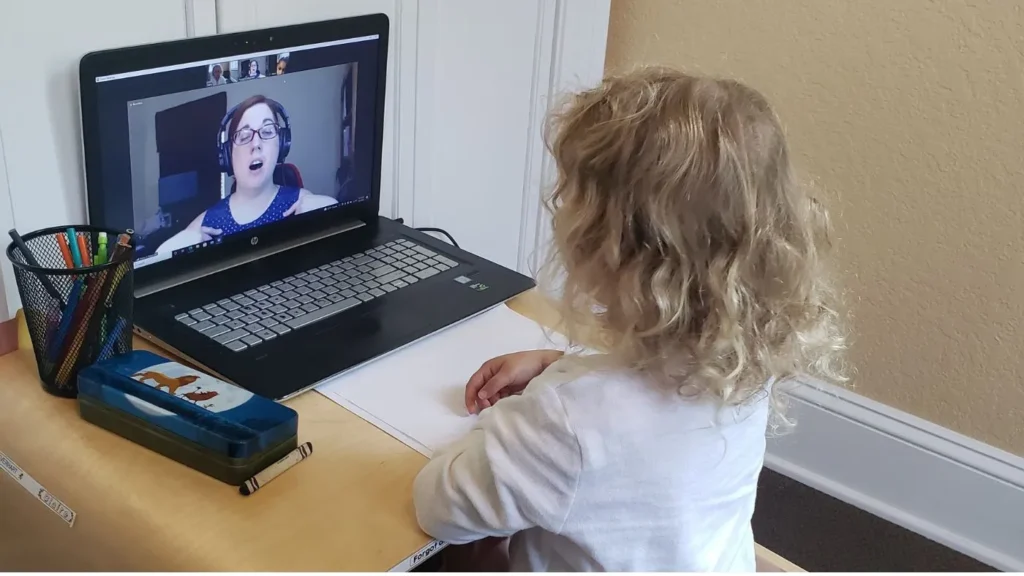
Homeschooling is legal throughout the United States, although the specific requirements vary by state. The U.S. Department of Education maintains a state-by-state overview of home-school regulations.
Homeschool law looks very different around the world. Some countries place significant restrictions on home education, while others allow it with registration, assessment, curriculum, or other requirements. That makes the flexibility available to many U.S. families something we do not take for granted.
For families like ours, that means we can:
That freedom is a true gift worth celebrating.
👨👧👦 Family-Style Learning on the Fourth
One of our favorite parts of homeschooling is the ability to teach holidays family-style. On the Fourth of July, we dive into:
We get to connect as a family and teach the next generation why freedom matters. That kind of learning beyond textbooks is also one of the things we love about using real-life experiences to support homeschool subjects.
🌿 Honoring Native American Heritage in Our Homeschool
When we dive into the history and contributions of Native Americans, we uncover a rich tapestry of cultures, languages, and practices that predate European colonization. This knowledge is essential to gaining a fuller view of our nation’s past.
We weave Native American history and culture into our homeschool by:
- Exploring traditional ways of life, from housing and food to spiritual beliefs
- Studying important historical events like the Trail of Tears and tribal treaties
- Reading Native American stories, legends, and literature to bring Indigenous voices into our lessons
- Creating art and hands-on projects while learning about the meaning and context behind Indigenous designs and symbolism
This type of cultural learning can create opportunities to discuss history, different communities, and the many peoples who have shaped this land.
📊 What Do We Know About Native American Homeschooling?
National homeschool data by race and ethnicity are limited for some smaller populations. In the National Center for Education Statistics 2019 homeschool tables, the estimate for American Indian/Alaska Native students did not meet reporting standards because there were too few cases for a reliable estimate.
That means we should be cautious about making claims about the exact percentage or growth rate of homeschooling among Native American families. You can review the NCES homeschool data here.
⏳ A Return to Home-Based Education
It’s important to remember that learning at home is not a new idea. Long before modern school systems became widespread, families and local communities often played a central role in children’s education. For our family, homeschooling gives us room to make learning personal, connected, and reflective of the subjects and values we want to explore together.
🎇 Fireworks Planning Tips for Homeschool Families
Fireworks are a highlight for many families—but you’ll want to plan ahead:
Fireworks often span several days or are moved due to weather. Knowing your options ahead of time helps avoid missed events or stressful crowds.
Bring glow sticks, snacks, ear protection for little ones, and a patriotic book to enjoy while waiting.
🐾 A Compassionate Pause for Animals
While we love the celebration, it’s worth taking a moment to think about the animals affected by fireworks:
- Fireworks can cause fear and stress in pets and wildlife.
- Some dogs and cats may try to escape when frightened by sudden noise.
- Wild animals may also be startled or displaced by loud celebrations.
Let’s remember to:
- Keep pets indoors and calm
- Avoid setting off fireworks near wooded or rural areas when possible
- Pray for the animals—especially those who are displaced or frightened this holiday
💰 Investing in Homeschooling: Costs, Tax Benefits & Current Rules
Like many homeschooling families, we invest thousands of dollars each year into our children’s education. From curriculum and supplies to online courses and field trips, the costs add up—but for our family, those expenses are part of the educational life we have chosen.
If you are considering public education funding or Education Savings Accounts as part of your homeschool budget, I’ve written separately about the questions families may want to consider in Should Homeschool Families Accept an ESA?
🔍 State Tax Relief That Exists
Some states offer deductions or credits that may apply to homeschool education expenses. Rules, income limits, qualifying purchases, and filing requirements vary, so families should confirm the current requirements with their state tax authority.
Tip: Keep receipts and review your state’s rules each tax year.
📊 What Changed With Federal 529 Rules?
Current Federal Rule
Up to $20,000 per year
Federal law enacted on July 4, 2025 expanded the K–12 expenses that can qualify for tax-free 529 distributions. Beginning with tax years after December 31, 2025, the annual K–12 limit increased from $10,000 to $20,000 per beneficiary.
Qualified categories can include curriculum and curricular materials, books and instructional materials, online educational materials, certain tutoring or educational classes, standardized testing fees, dual-enrollment fees, and qualifying educational therapies.
For the latest details, see the IRS guidance on qualified tuition programs and 529 plans.
Tax note: This article shares general educational information and our family’s experience. Tax rules can depend on the state, type of expense, account, and individual circumstances. Check current IRS and state guidance or speak with a qualified tax professional before making tax decisions.
💖 In Gratitude for Freedom, Family, and Faith
This Independence Day, as we light sparklers and share stories of America’s beginnings, I’ll be giving thanks:
- For the freedom to homeschool openly
- For the resources to invest in our children’s futures
- For the chance to teach gratitude, compassion, and civic responsibility
Homeschooling is a gift to our family, and educational freedom is something we are grateful to have.
From our family to yours, Happy Fourth of July—may your celebration be joyful, meaningful, and filled with love.
Fourth of July Homeschool Activity
🛒 Bonus: Celebrate With a President!
Looking for a meaningful, low-prep educational activity this Fourth of July? My President Research Sheet is a perfect tie-in! It encourages kids to learn about our nation’s leaders, understand their role in shaping America, and appreciate the responsibility of leadership in a free nation.
You May Also Like:
 Why We’re Beginning Latin in Our Homeschool
 Why We Leave Our Shoes at the Door: A Simple Family Routine That Works
 How We Celebrate October as a Family Before the Holiday Rush
 Weekly Wellness Challenge: One-Foot Balance
 Camp Made Me Realize Something About Public School Moms (and Myself)
 Weekly Challenge #31: Say “Thank You” at Least Three Times a Day
 The Best-Friend Lens: A Simple Tool for Purposeful, Family-Centered Parenting
 Why Our Son Trains in Karate, Taekwondo and Brazilian Jiu Jitsu