Nurturing a Love for Reading: My Homeschooling Journey
As a homeschooling parent, I’ve discovered the unique opportunity to instill a love for reading in my children. With the added benefit of breaking my slight cell phone addiction, I’ve been purchasing more books and dedicating time to reading with my kids, creating meaningful learning experiences for all of us.
That effort to step away from my phone also connects naturally with our mindful reading challenge, where we intentionally make room for reading that doesn’t begin with a screen.
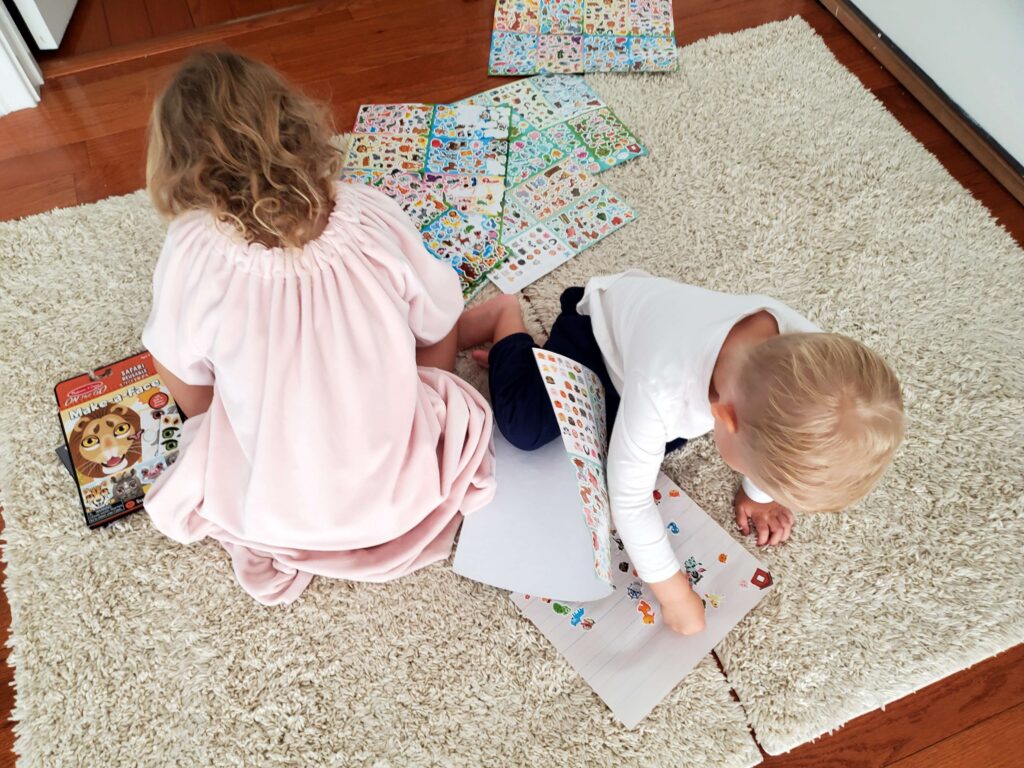
My Homeschooling Journey…
1. Leading by Example
I’ve realized that my children often mimic my behavior, so I make a point to demonstrate my own love for reading by stepping away from my phone and immersing myself in books. Setting aside time for my own reading and talking to my children about the books I’m enjoying has shown them the value of this activity.
This idea is also supported by the American Academy of Pediatrics: HealthyChildren encourages parents to model reading themselves as one way to help children develop a positive relationship with books.
2. Creating a Reading Oasis
I’ve dedicated a cozy corner in our home as a reading nook where my children and I can retreat with books. Stocking it with a variety of reading materials and ensuring it’s well-lit and inviting has made it a place we all love to spend time in.
3. Reading Aloud
Choosing a book that my children are interested in and reading it aloud to them has been a great bonding experience. Not only does this help with their listening skills, but it also exposes them to new vocabulary and different storytelling techniques while giving me a chance to step away from any digital distractions.
Reading Rockets notes that reading aloud can support vocabulary, comprehension, background knowledge, early literacy skills, and family connection. Making the experience interactive—rather than simply reading straight through—is especially valuable.
4. Making Reading Interactive
Engaging my children in discussions about what they’re reading has been invaluable. I love asking them about their favorite characters, the plot, and their predictions about what will happen next. We have also incorporated activities related to the books, such as creating art or cooking a dish mentioned in the story, all free from the distractions of digital devices.
Those questions about characters, predictions, and what might happen next are also simple opportunities to practice the same kind of problem-solving and independent thinking we try to encourage throughout our homeschool day.
5. Parental Guidance in Book Selection
I use my parental wisdom to guide my children to learn about important topics through their reading. Our latest book purchases are about chicken care, wilderness survival, goats, and foraging for mushrooms, allowing them to gain knowledge on practical and important subjects.
This is one of my favorite parts of homeschooling: books don’t have to exist separately from real life. We can read about animals, plants, science, and outdoor skills and then connect those ideas to the kind of hands-on nature learning we already enjoy as a family.
6. Incorporating Quiet Reading Time during homeschooling
We have designated quiet or school time where we read, which I consider my parenting secret weapon. I often use this card when sibling tensions are amping up or when I can sense a kiddo is overextending their energy and could use some slower play. It’s a valuable way to diffuse tension and encourage a peaceful atmosphere in our home.
7. Child-Led Shared Reading
One homeschool hack I use is having Claire read aloud to Peter, so she practices reading aloud while they both gain from the story. This “two kids, one book” homeschool momma hack not only enhances Claire’s reading skills but also fosters a stronger bond between the siblings while maximizing the educational value of the reading material.
Shared reading also fits naturally with our broader goal of raising confident communicators, because reading aloud gives children another place to practice language, listening, expression, and communication.
8. Setting Reading Goals when homeschooling
Setting achievable reading goals for my children, such as finishing a certain number of books in a month or exploring a new genre, has been motivating. We celebrate their accomplishments to keep them eager to read more while also allowing me to detach from my cell phone.
9. Embracing Technology during homeschooling
Embracing audiobooks has significantly enhanced our reading experience, particularly through their Yoto player. My children also participate in online classes on platforms like Outschool, among other curricula, so we consciously try to balance our reading methods by not primarily focusing on online reading.
And audiobooks absolutely have a place in that mix. HealthyChildren notes that audiobooks can support vocabulary, story structure, and comprehension, making them another useful way for children to engage with stories and information.
10. Being Patient and Supportive
Every child’s reading journey is unique. I’ve learned to be patient and supportive, celebrating every step forward, no matter how small, and taking the time to appreciate the value of reading over mindless scrolling on a phone.
By recognizing reading as a curriculum in and of itself, I’ve found that I could enrich my children’s homeschooling experience and set us all on a lifelong path of learning and discovery through the written word, while also addressing my screen time habits.
Want to Make More Room for Reading?
You don’t need an elaborate curriculum or hours of extra time. Start with a few screen-free minutes, a book everyone enjoys, and a comfortable place to read together.
Frequently Asked Questions About Reading in Our Homeschool
How can I encourage my child to enjoy reading?
Start with books that match your child’s interests and make reading feel enjoyable rather than like another assignment. Read aloud together, let children choose some of their own books, talk about the stories, and allow reading to become part of ordinary family life.
Should I keep reading aloud after my child can read independently?
Yes. Independent reading and family read-alouds can coexist. Reading aloud lets children enjoy books that may be above their independent reading level while hearing richer vocabulary, fluent expression, and more complex stories.
Are audiobooks useful for homeschool learning?
Yes. Audiobooks can expose children to vocabulary, story structure, information, and more complex texts while giving them another way to experience books. In our family, we use them alongside printed books rather than treating them as a complete replacement.
How can reading become more interactive?
Ask children what they think will happen next, which character they like best, why a character made a particular choice, or how the story connects to something they’ve experienced. Drawing, cooking, acting out scenes, researching a topic, or taking a related field trip can extend a book beyond the page.
How do we balance digital learning with physical books?
We use both intentionally. Online classes and audiobooks can be useful tools, but we also protect time for physical books and screen-free reading. For us, the goal isn’t eliminating technology; it’s making sure technology doesn’t replace every other way our children learn.
You May Also Like:
 Embracing a Sugar-Free Week: A Journey of Renewal and Growth
 Weekly Wellness Challenge: One-Foot Balance
 The Difference Between “I’m Confused” and “This Doesn’t Make Sense”
 Children Become What They Repeatedly See
 Confidence Is Quieter Than You Think
 Creating a Cozy, Faith-Filled Christmas at Home: Traditions That Help Our Family Slow Down
 Why Our Son Trains in Karate, Taekwondo and Brazilian Jiu Jitsu
 Nurturing Integrity: Teaching Children the Value of Truthfulness in Friendships